

Principales caractéristiques du produit

Indoor & Outdoor Use

Walk on in 4 Hours

Simple 1-Pack System

Easy Application

Seals Porous Floors Before Coating

Topcoat Within 48 Hours
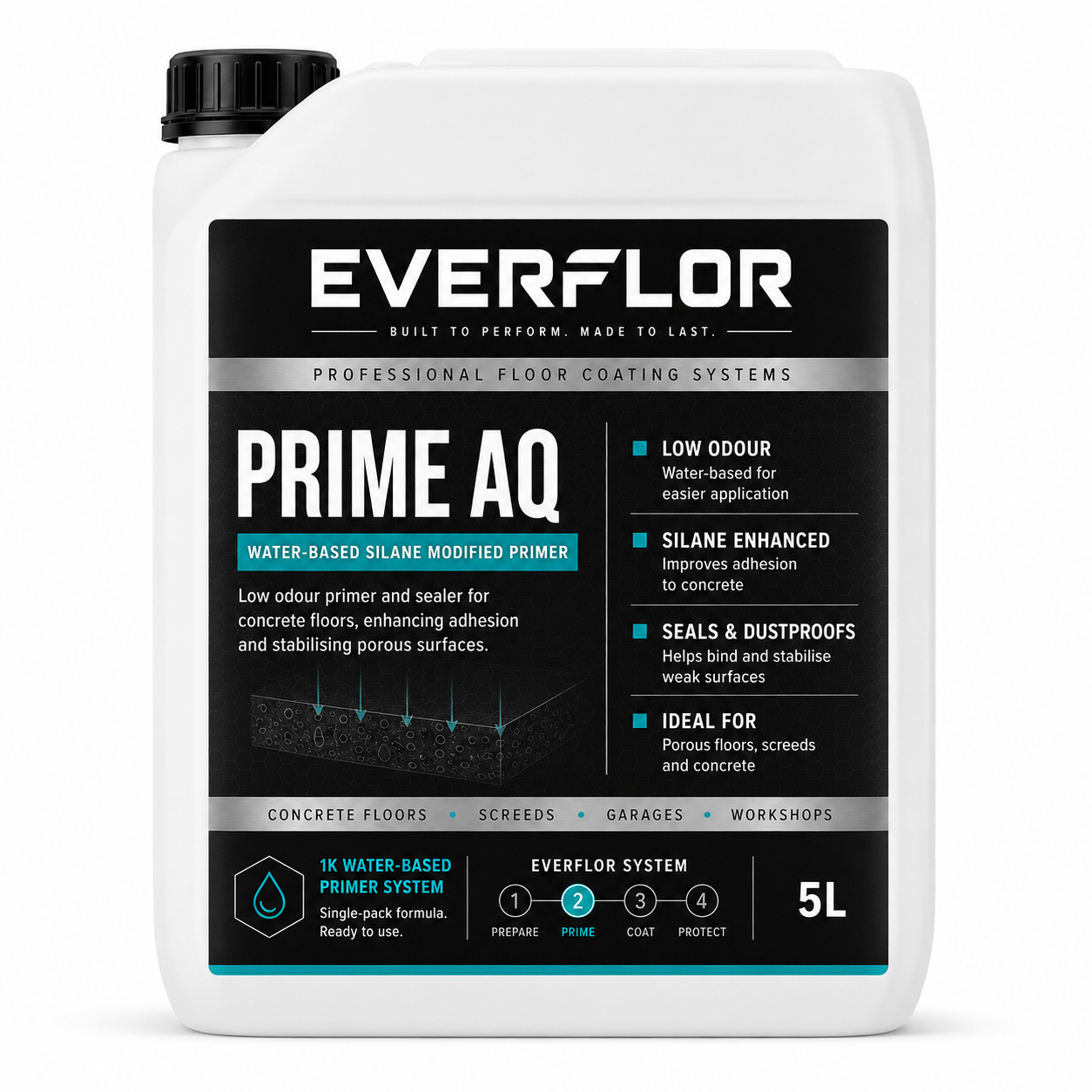
Everest Trade - Bouche-pores pour Béton / Primaire & Scellant pour Sol - Sans Solvant
Everest Trade Paints - Concrete Dustproofer est un scellant pour béton sans solvant qui sèche rapidement avec une formule à faible viscosité. Il offre un revêtement très efficace pour prévenir la formation de poussière sur les sols en béton neufs et existants tout en offrant un temps d'arrêt réduit et une application à faible odeur.
C'est un anti-poussière pour béton SANS solvant qui aide à prévenir la poussière sur les surfaces de béton poreuses. Il est couramment utilisé pour sceller et éviter la poussière sur les sols de garage et les sols industriels.
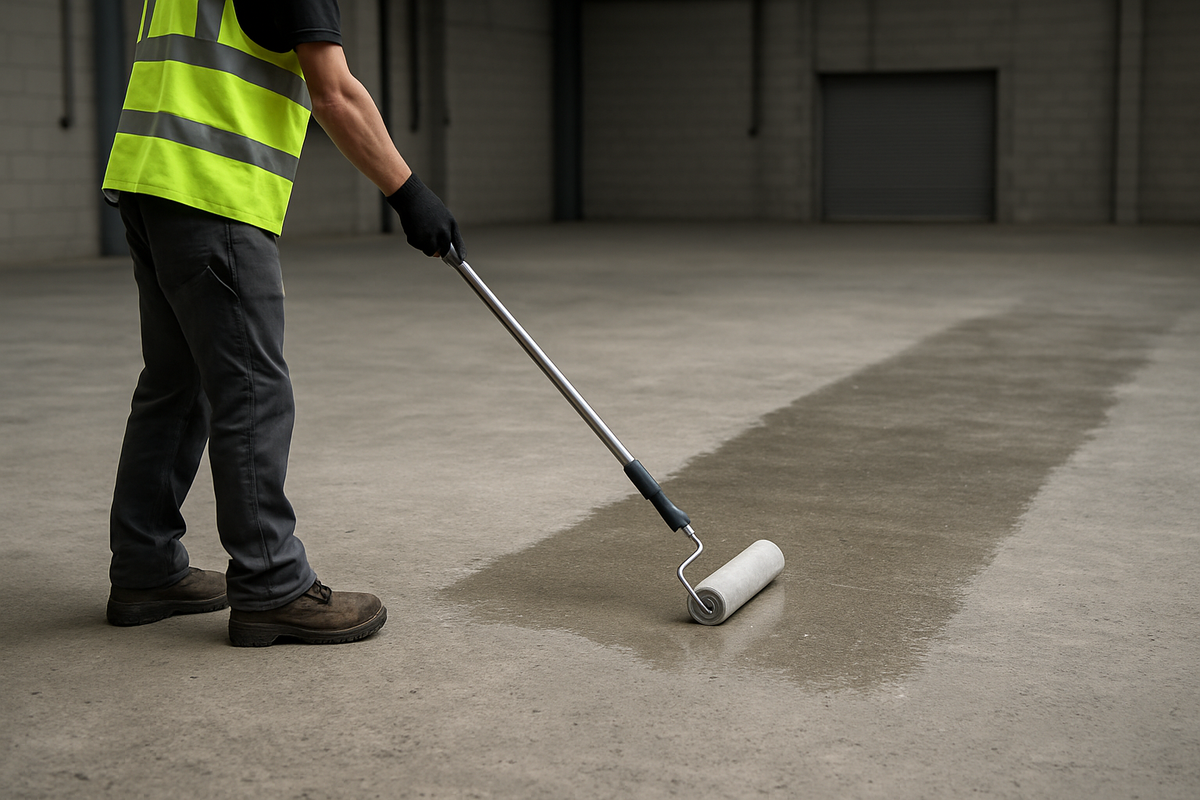
Facile à appliquer au rouleau ou au pulvérisateur, il offre une protection supplémentaire aux surfaces en béton.
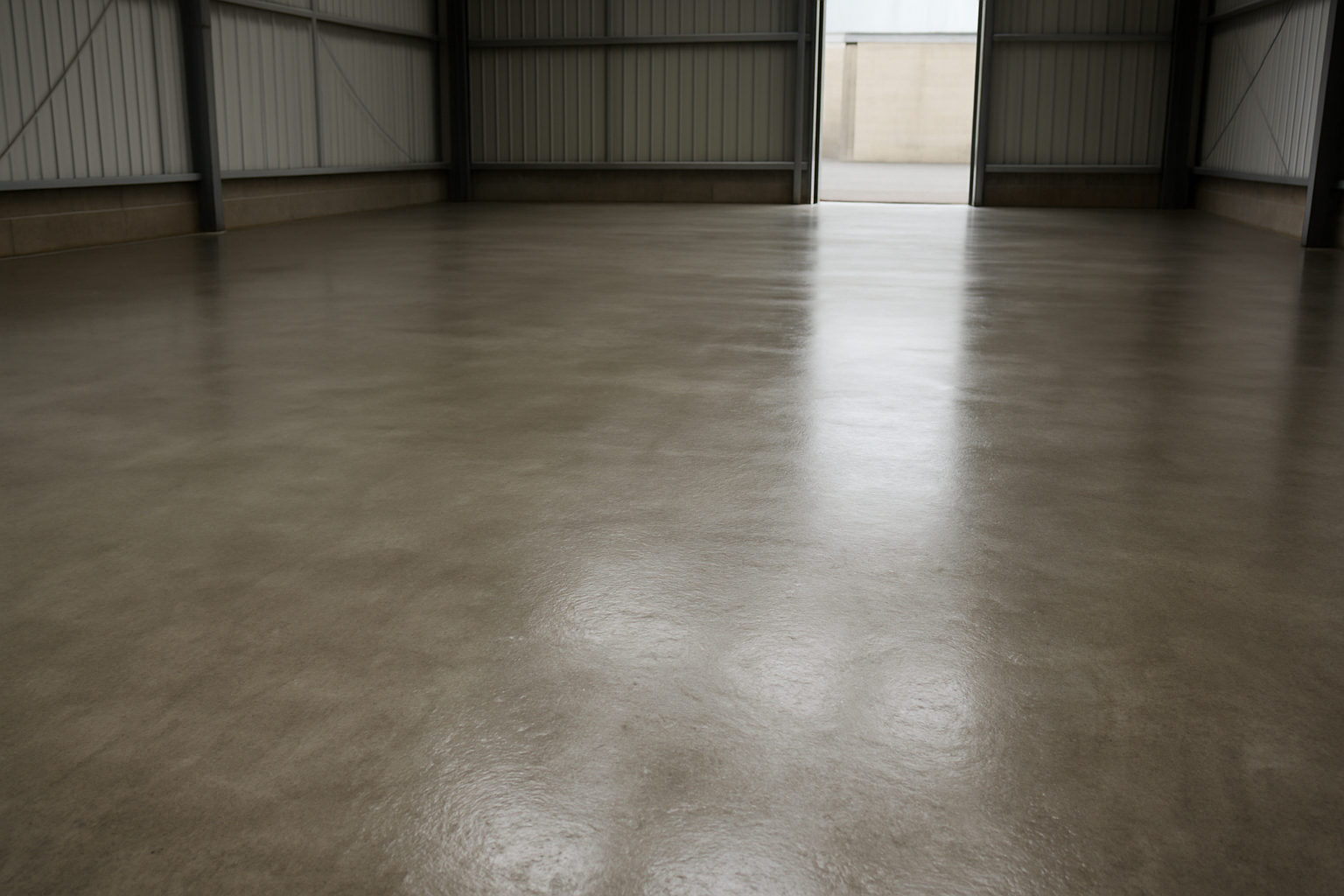
Idéal comme sous-couche avant l'application des peintures pour sols Everest à séchage rapide sur les sols en béton brut dans les zones industrielles, commerciales et domestiques grâce à sa capacité à pénétrer plus profondément dans le substrat, offrant ainsi une meilleure surface pour que la peinture adhère et réduisant le risque de délamination.
Ce produit DOIT ÊTRE UTILISÉ comme primaire et scellant pour toutes nos peintures de sol à séchage rapide pour applications internes et externes.
Cependant, si vous envisagez simplement d'utiliser ceci comme un scellant sans l'intention d'appliquer une couche de finition, nous recommandons le scellant pour béton polyuréthane Everest Trade Paints en raison de sa base très durable ou Everest Trade Paints Ultimate Concrete Sealer si vous recherchez un revêtement extra-durable à séchage rapide.
UTILISATIONS ET COMPATIBILITÉ AVEC LES SURFACES
Convient comme sous-couche pour la peinture pour sol sur les sols en béton internes et externes et également comme scellant pour béton durable.
PROPRIÉTÉS SPÉCIALES
Il se nettoie facilement et résiste aux lavages fréquents. Résiste également à la plupart des taches et huiles.
TAUX D'ÉPANDAGE
Première couche: Environ 5 mètres carrés par litre.
Deuxième couche: Environ 7 mètres carrés par litre.
Ceci est une estimation approximative et varie en fonction de l'état de l'allée/du sol et de la quantité appliquée à chaque couche.
TEMPS DE SÉCHAGE
Dans des conditions normales, le scellant est sec au toucher en environ 2 à 4 heures.
Ne pas conduire sur la surface pendant 24 heures après la dernière couche.
APPLICATION
Brosse, rouleau ou pulvérisateur.
Assurez-vous que la surface est 100% sèche et exempte de toute humidité ou contaminant avant l'application. Ne pas appliquer s'il y a une chance de pluie.
Appliquez une seule couche si elle est utilisée comme primaire avant l'application de notre peinture pour sol, 2 si elle est utilisée uniquement comme scellant/anti-poussière.
PRÉCAUTIONS DE STOCKAGE
Conservez à l'écart de la chaleur et des flammes. Fermez bien le couvercle entre les utilisations pour éviter que le scellant ne durcisse. Conservez à l'abri du gel.
DILUANTS
Pas besoin de diluants pour ce produit, de l'eau savonneuse tiède peut être utilisée pour le nettoyage.
PRÉPARATION DE LA SURFACE
Assurez-vous que toutes les surfaces à sceller sont propres, sèches et exemptes d'huile et de graisse.
Si vous appliquez sur des surfaces extérieures, assurez-vous qu'aucune pluie n'est prévue et que la surface est sèche avant l'application.
Livraison et assistance technique
Expédition le jour même (pour toute commande passée avant 11h)
Achetez directement du fabricant
Nous livrons en Europe continentale
Support technique par des spécialistes en revêtement
Notre équipe technique peut vous aider pour la sélection des produits, la préparation des surfaces et les conseils d'application.
Contact Technical SupportPrincipales caractéristiques du produit
Indoor & Outdoor Use
Walk on in 4 Hours
Simple 1-Pack System
Easy Application
Seals Porous Floors Before Coating
Topcoat Within 48 Hours
Si vous avez des questions, n'hésitez pas à nous contacter. Nous vous répondrons dans les plus brefs délais, dans les 24 heures en semaine.
-
Informations de livraison
Articles expédiés le jour même si commandés avant 11h, cliquez ici pour consulter la politique de livraison
-
Support client
Vous cherchez des réponses ? Visitez notre Centre d'aide technique pour des conseils complets sur les produits, la préparation et le dépannage, ou appelez-nous simplement au numéro ci-dessous.
-
FAQ
On nous pose souvent beaucoup de questions, que ce soit sur la préparation, l'adéquation des produits, les informations de livraison ou les retours. Vous pouvez consulter nos questions les plus fréquemment posées ici
-
Contactez-nous
Besoin d'aide, appelez-nous au 0800 043 8220 de 8h à 16h du lundi au vendredi et nous ferons de notre mieux pour vous aider.
Seal the Floor First. Paint It Once.

Informations essentielles
Détails du produit
Description
Application
Fichiers et fiches techniques

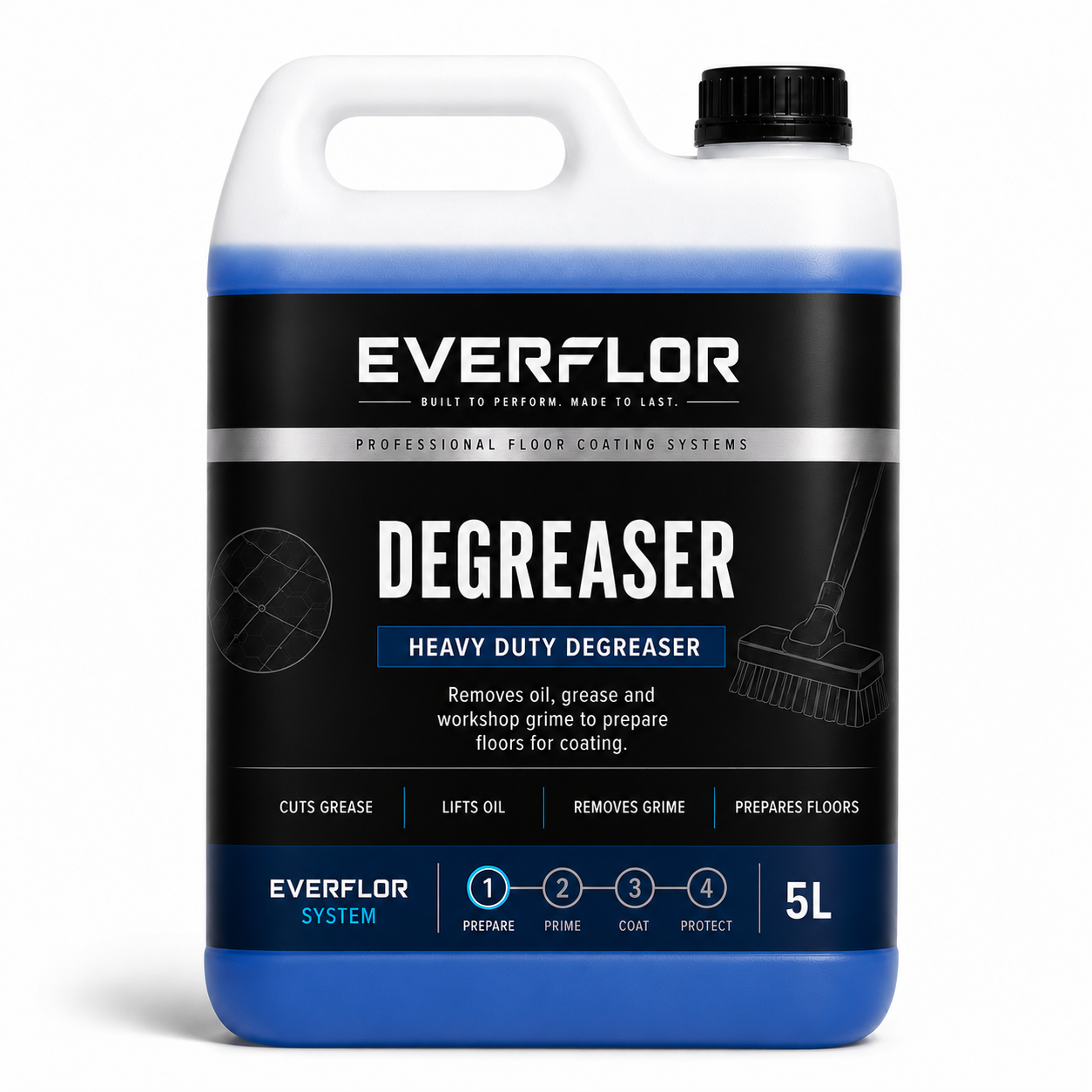
The Complete EverFlor Priming System
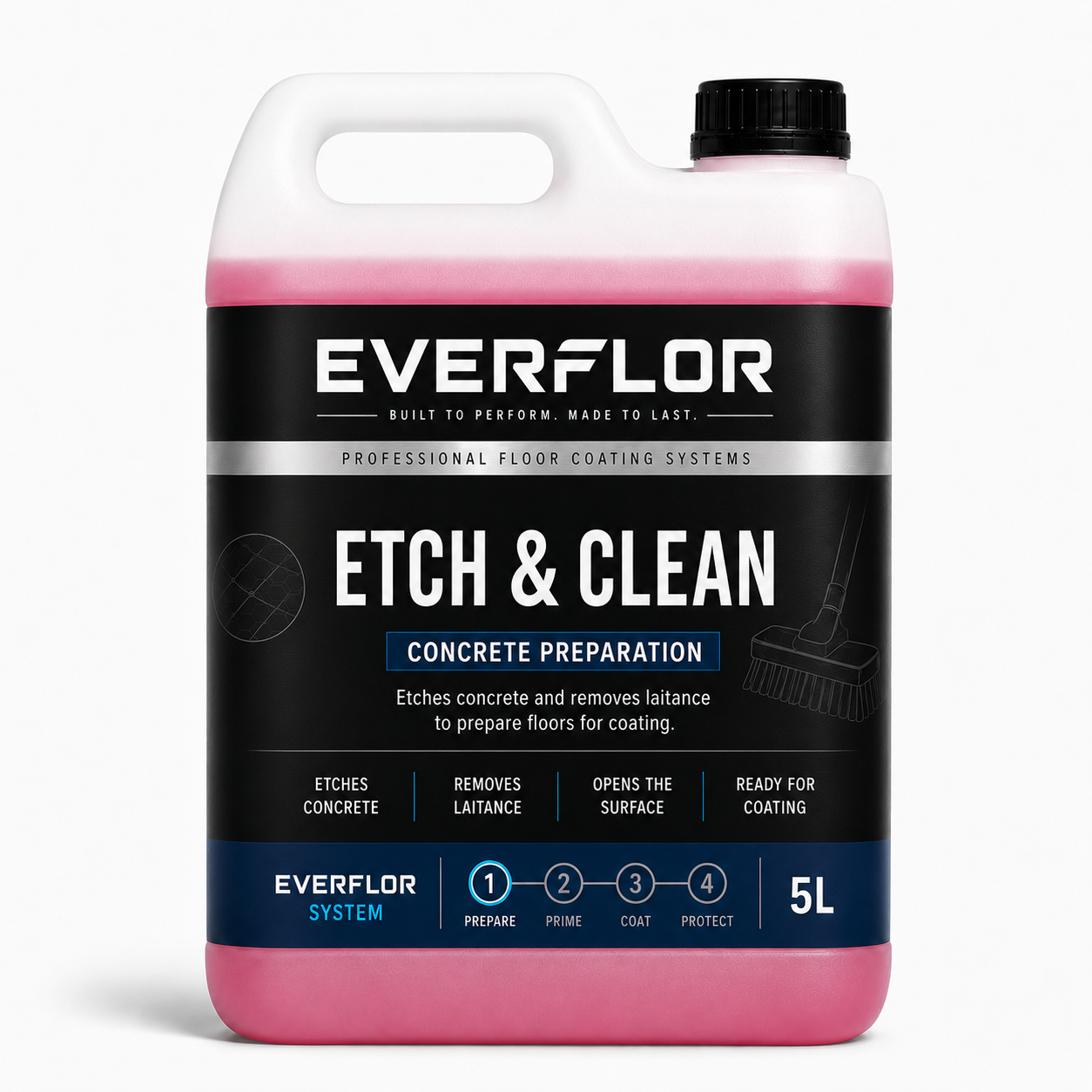
EverFlor - Décapage et nettoyage
Le Centre de Connaissances
Tout ce que vous devez savoir
Parcourez notre collection d'articles détaillés et de guides pratiques conçus pour vous aider à tirer le meilleur parti de ce produit. Que vous ayez besoin d'aide pour la préparation des surfaces ou de conseils d'application, nous avons ce qu'il vous faut.
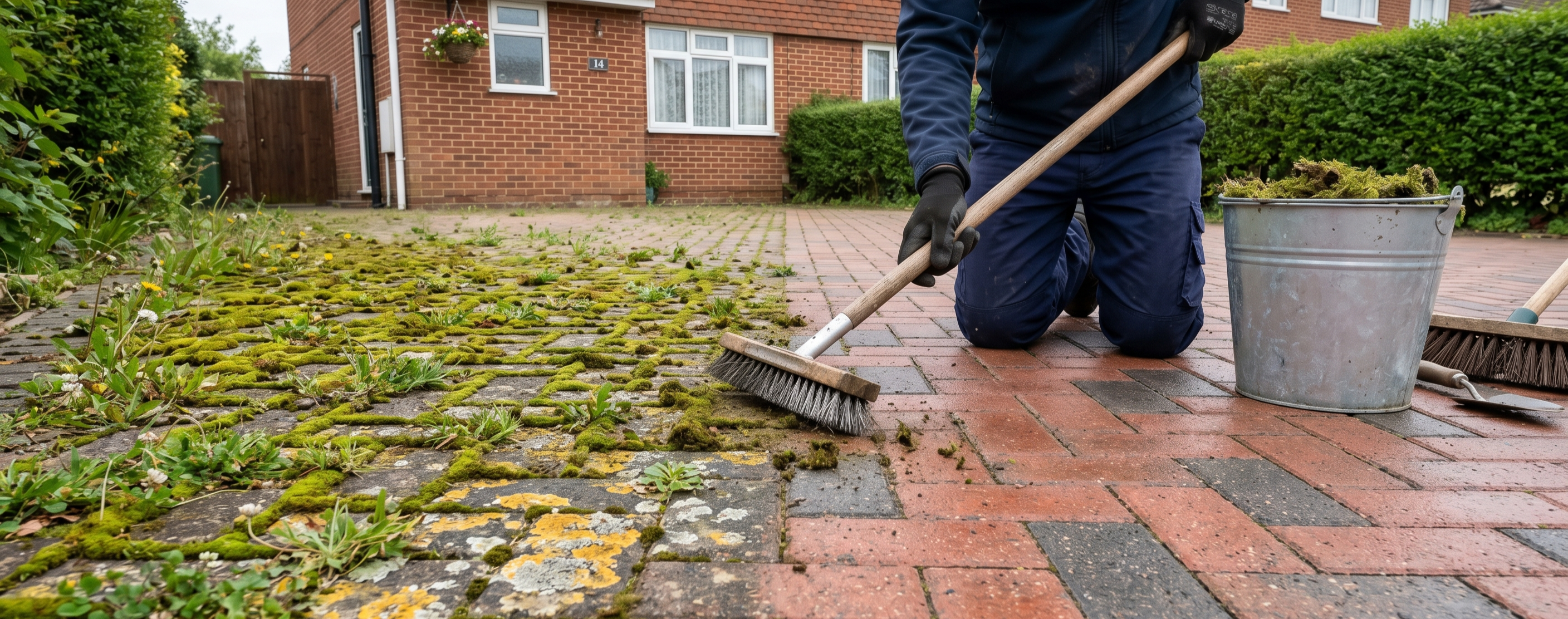
- par Sam Marriott
Restauration de pavés autobloquants : Élimination de la mousse, des mauvaises herbes et du lichen

- par Sam Marriott
Nettoyer en profondeur le béton poli sans ternir sa brillance

- par Sam Marriott
Nettoyants pour béton acides ou alcalins : Lequel est le meilleur pour votre sol ?

- par Sam Marriott
Comment poncer un sol en béton peint avant de le repeindre
FAQ
Veuillez consulter notre page FAQ pour en savoir plus.