

Guides et Publications
De Produits
Catégories d'aide
Personnel serviable
Accès instantané aux méthodes expertes
Trouvez votre stratégie de préparation
Vous prévoyez une nouvelle installation ou vous rencontrez des problèmes avec un ancien revêtement de sol ? Que vous ayez besoin de procédures opérationnelles standard pour le meulage et la gravure, ou de solutions spécifiques pour l'humidité et l'huile, trouvez le guide exact dont vous avez besoin ci-dessous.

- 0 commentaire
- par Sam Marriott
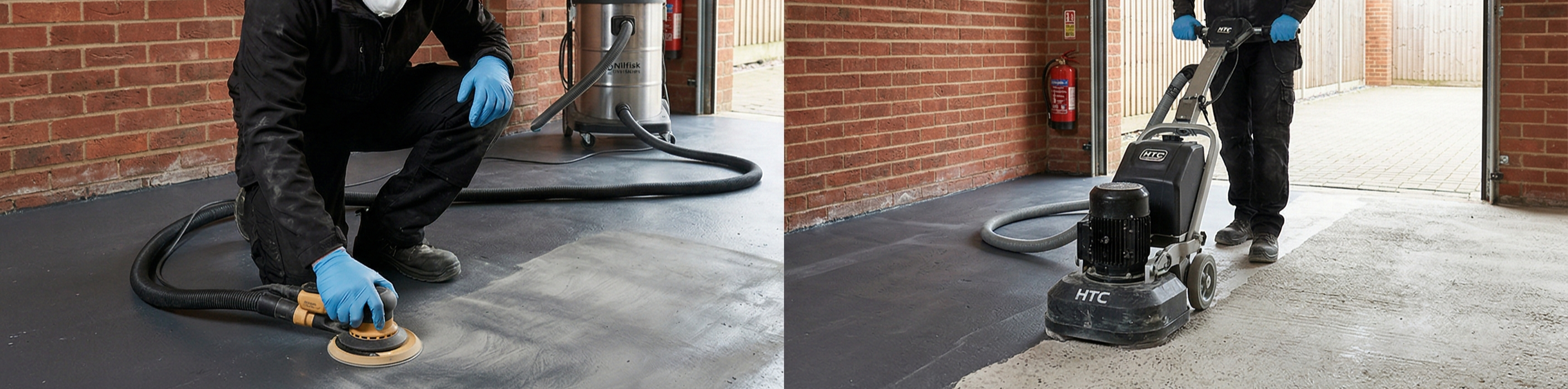
Comment poncer un sol en béton peint avant de le repeindre
- 0 commentaire
- par Sam Marriott
Ponçage vs. Meulage : Préparation du béton déjà peint
- 0 commentaire
- par Sam Marriott
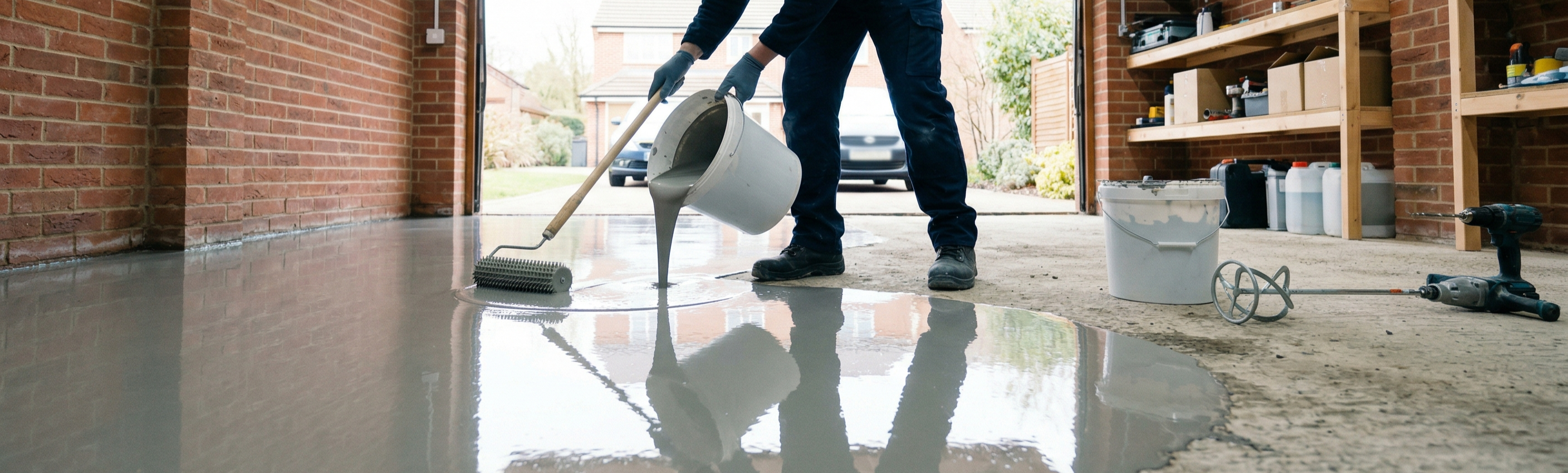
Restauration de sols irréguliers à l'aide de composés auto-nivelants
- 0 commentaire
- par Sam Marriott
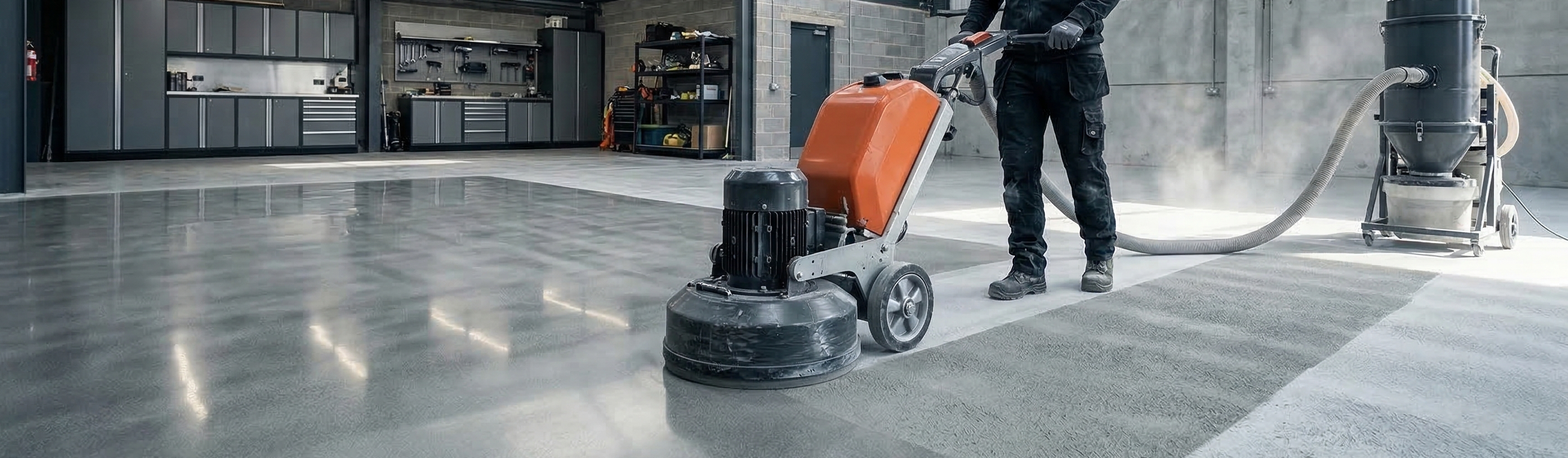
Mise en œuvre mécanique : Préparation du béton lissé mécaniquement
- 0 commentaire
- par Sam Marriott
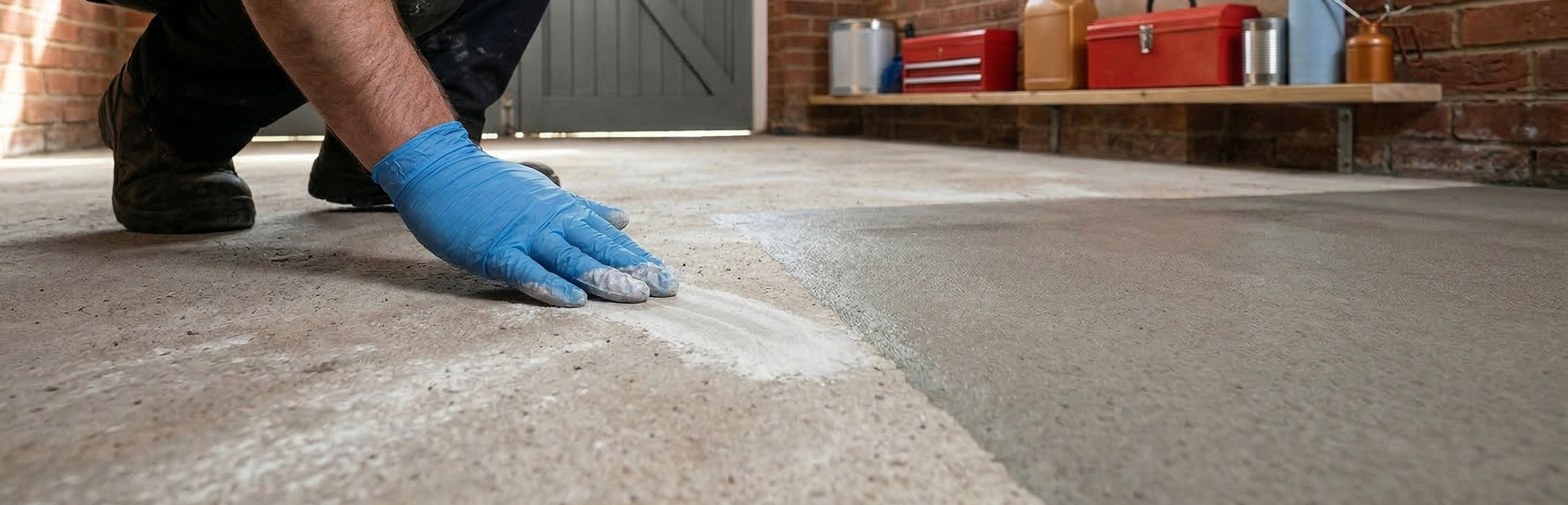
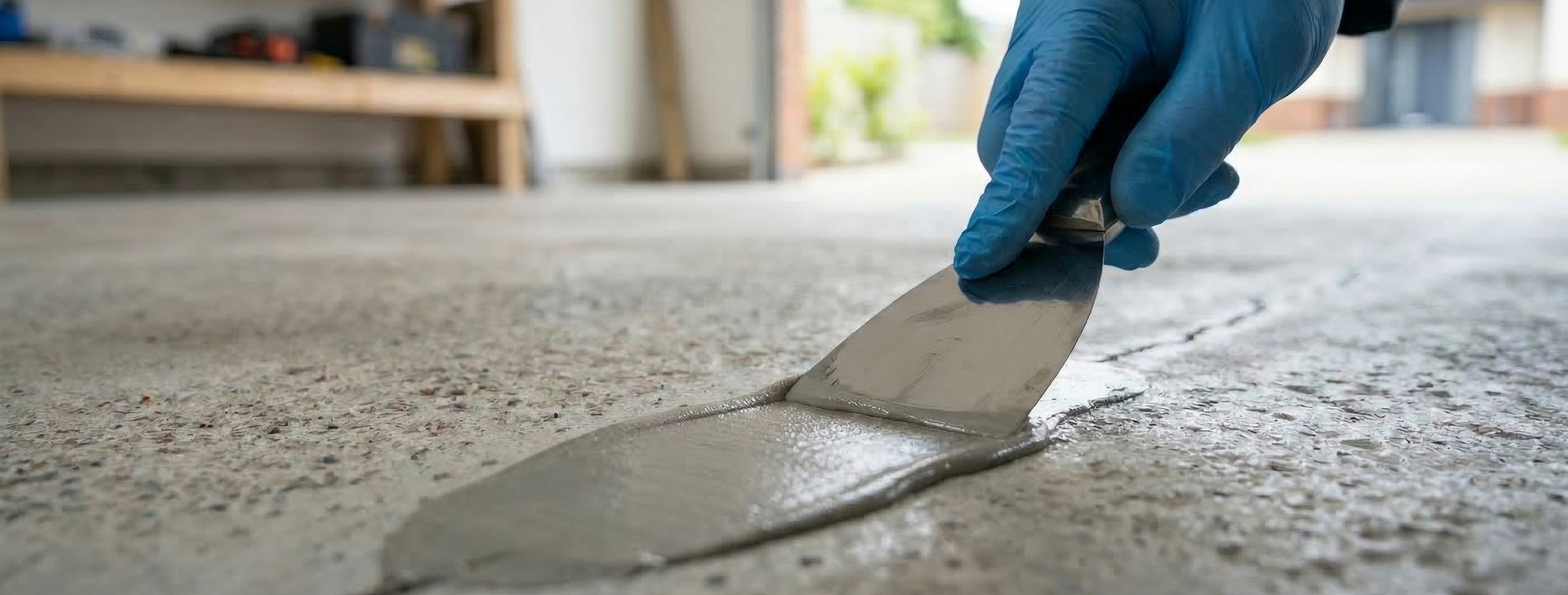
Traiter le « farinage » du béton : durcir les surfaces faibles
- 0 commentaire
- par Sam Marriott
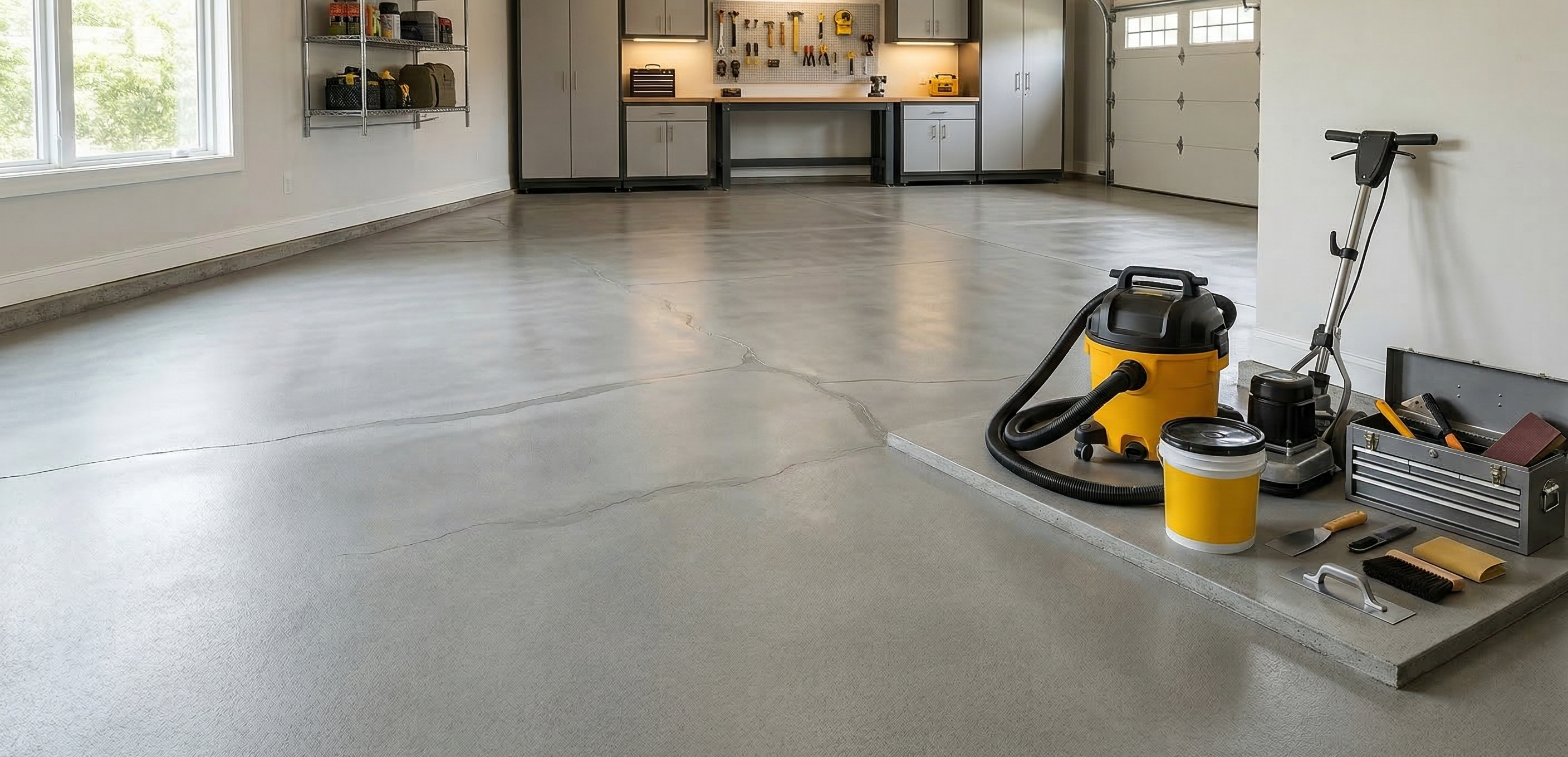
Réparer les fissures et les nids de poule : Guide de colmatage du béton
- 0 commentaire
- par Sam Marriott
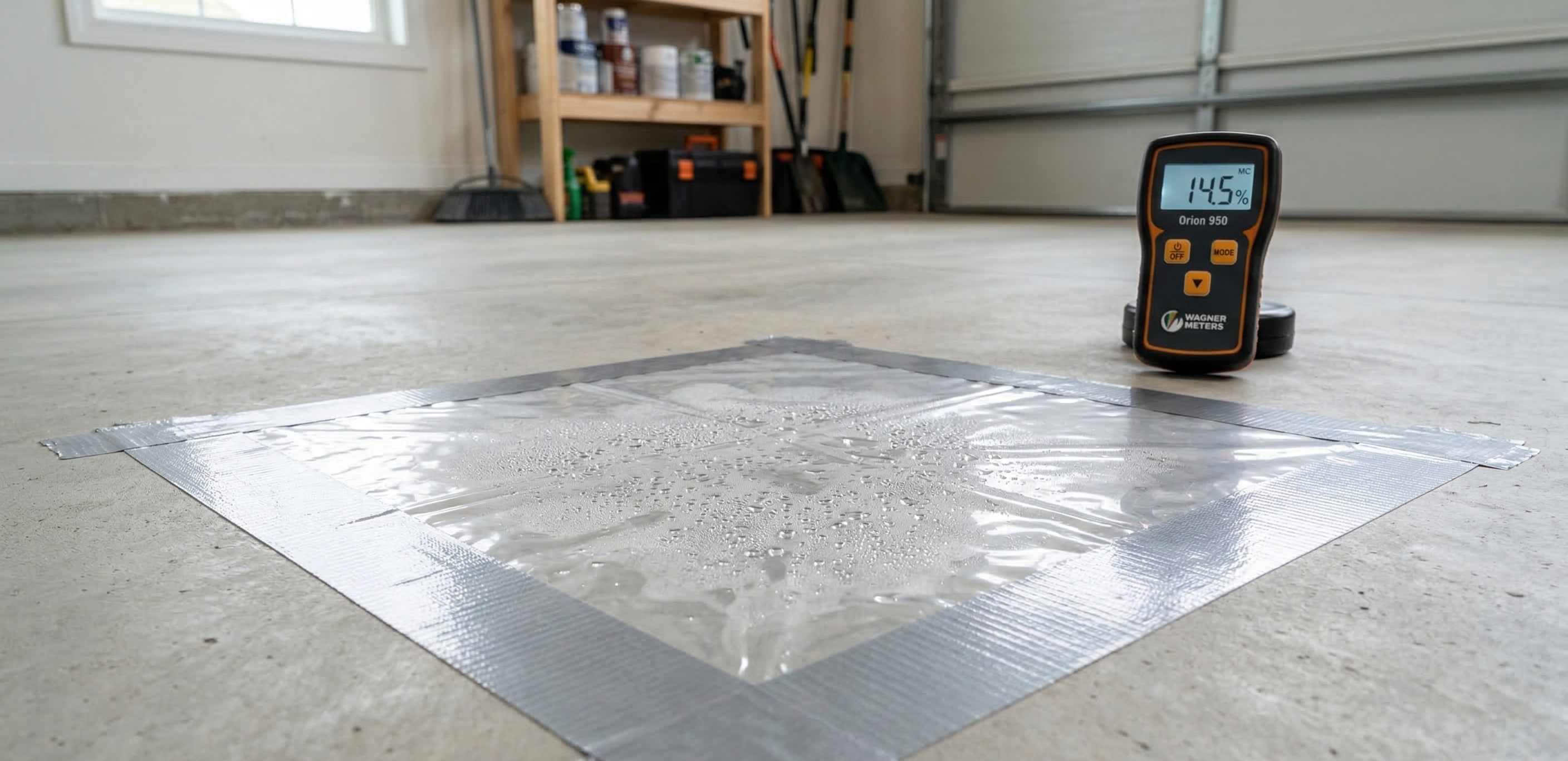
Le guide ultime de la préparation du sol de garage DIY : nettoyage, réparation et profilage
- 0 commentaire
- par Sam Marriott
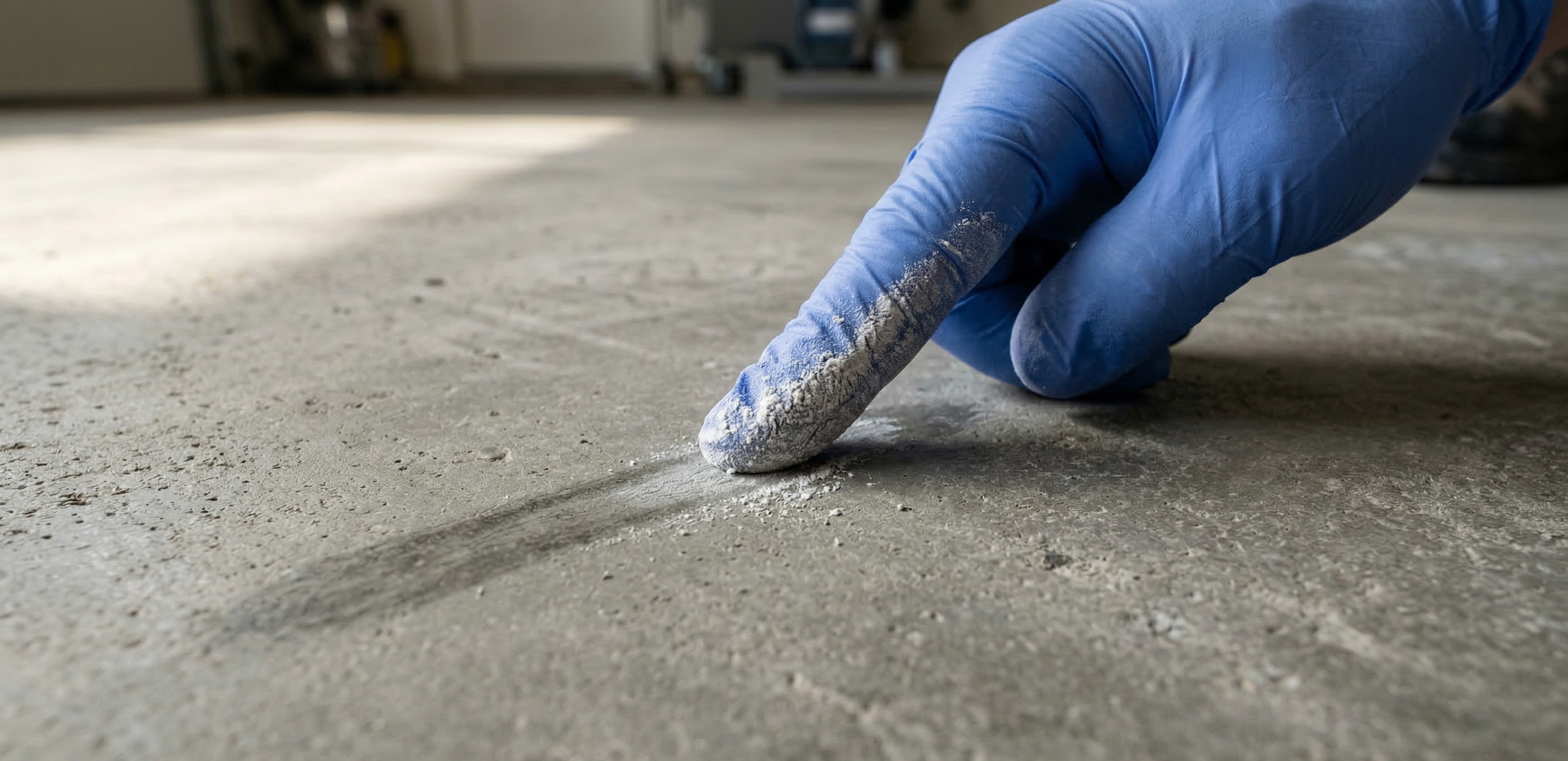
Le test d'humidité : Comment vérifier l'humidité du sol de votre garage
- 0 commentaire
- par Sam Marriott
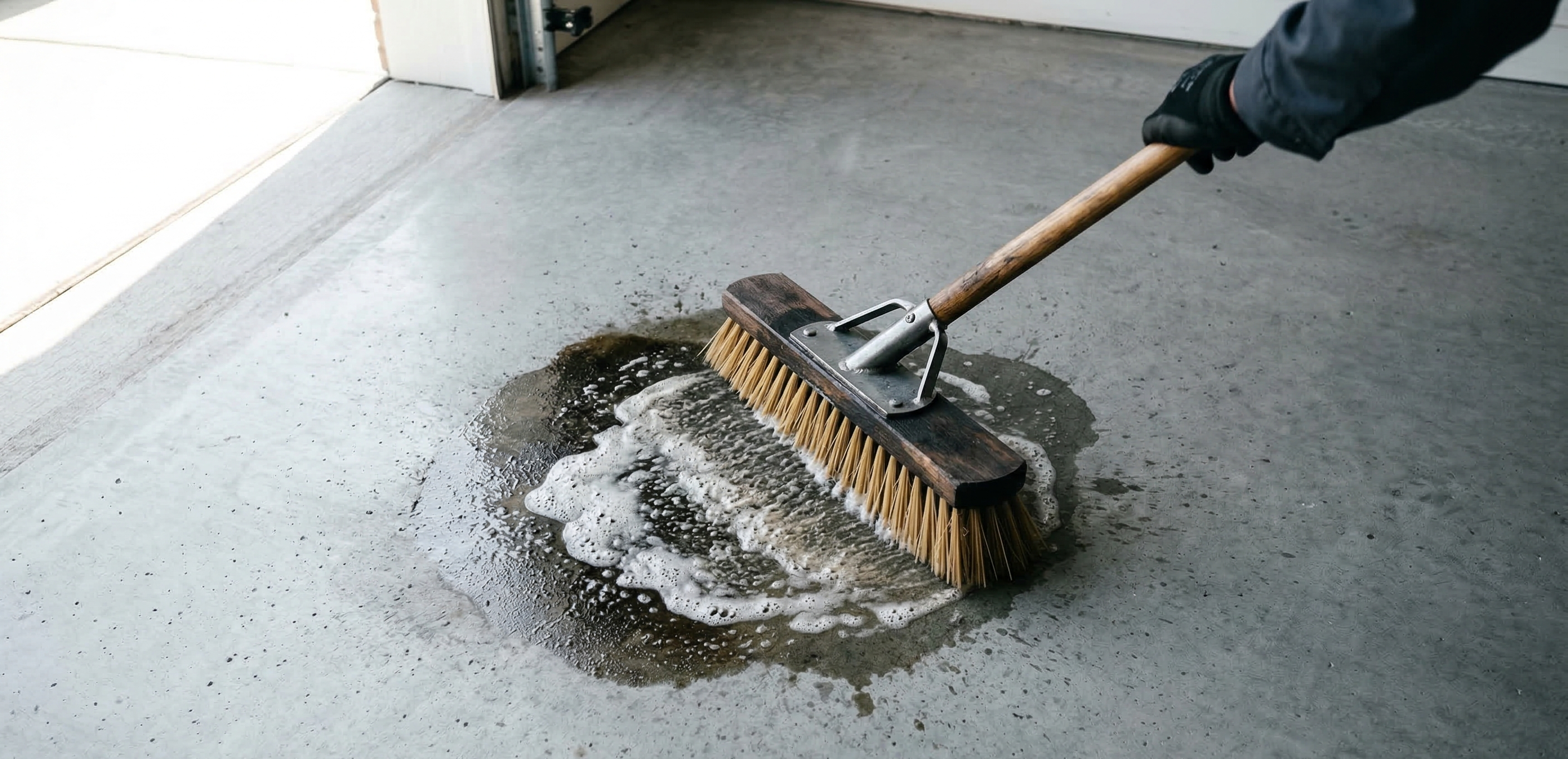
Qu'est-ce que la laitance ? Pourquoi il faut enlever la surface farineuse
- 0 commentaire
- par Sam Marriott
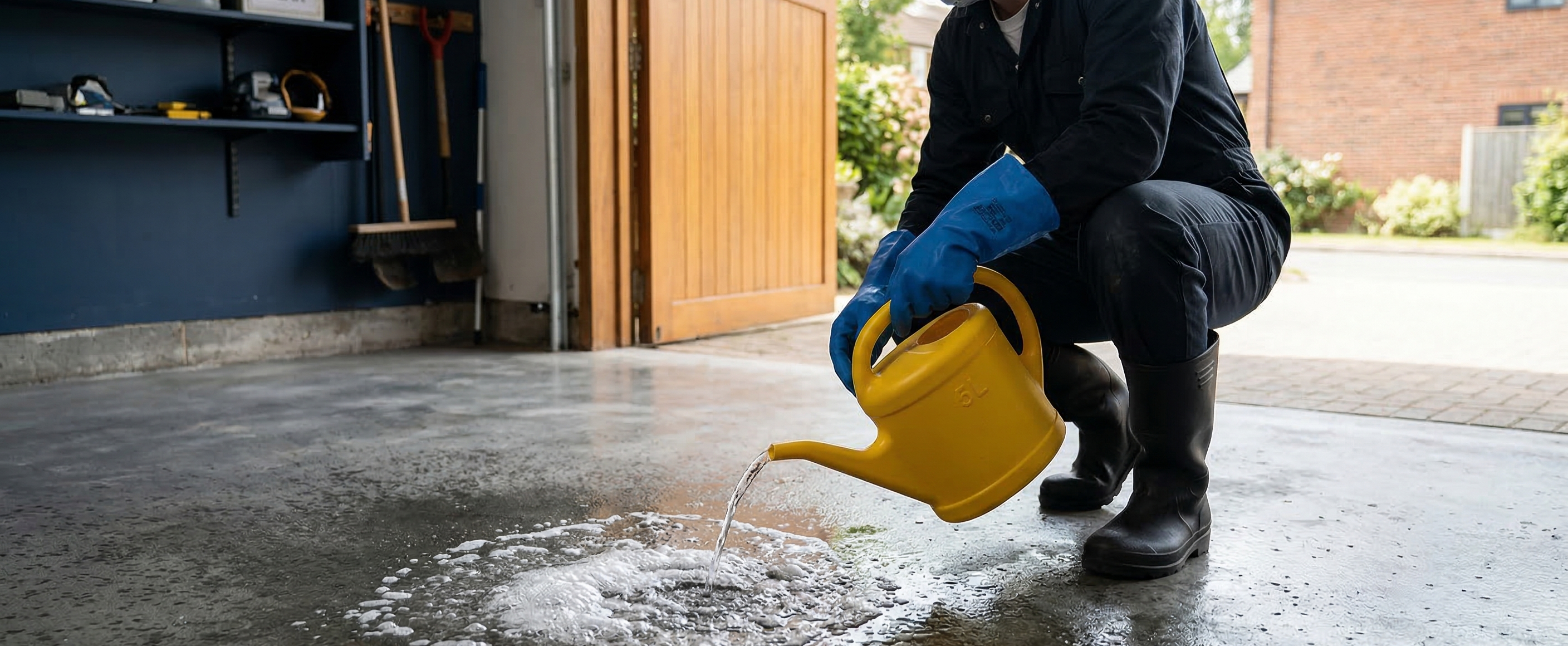
Comment nettoyer du béton taché d'huile pour y appliquer de la peinture de sol
- 0 commentaire
- par Sam Marriott
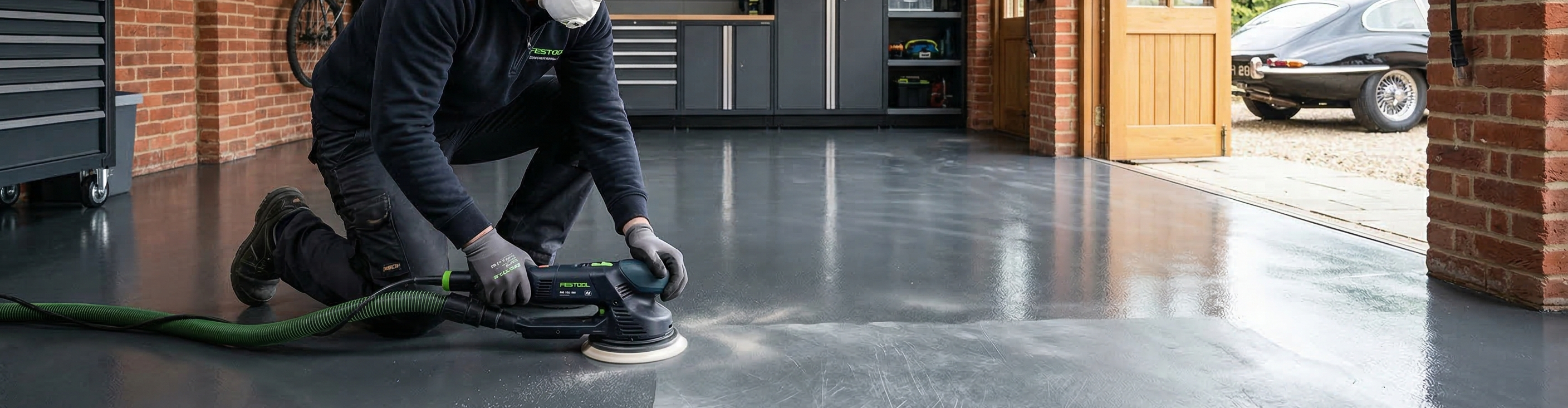
Quand et comment graver le béton à l'acide en toute sécurité
- 0 commentaire
- par Sam Marriott
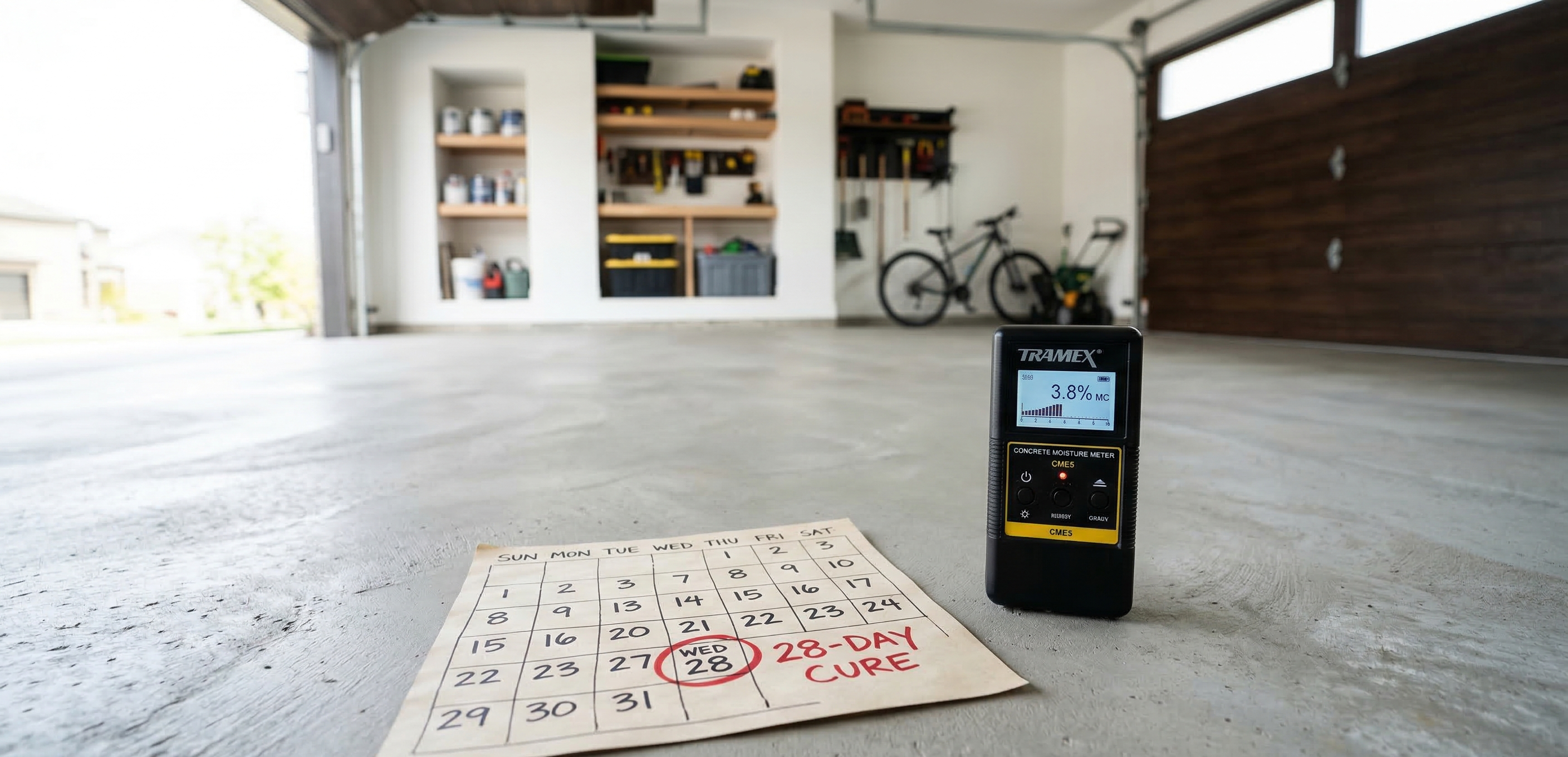
Réappliquer de l'époxy : Comment préparer un sol existant pour une couche de finition
- 0 commentaire
- par Sam Marriott
Peindre du béton neuf : Combien de temps faut-il attendre ?
- 0 commentaire
- par Sam Marriott
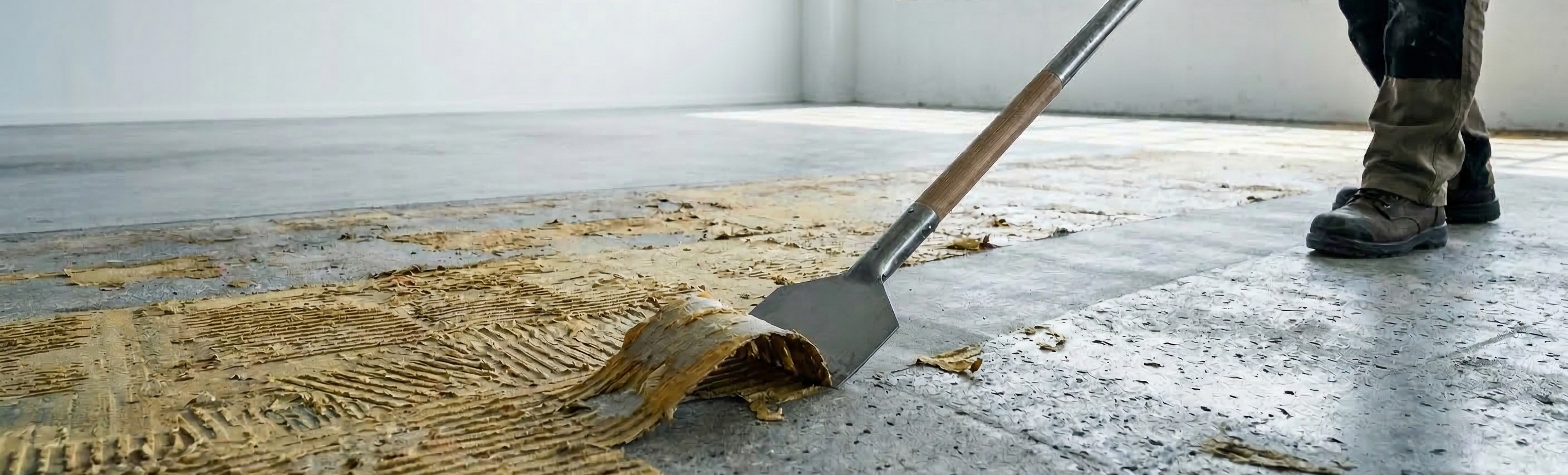
Éliminer les colles tenaces de moquette et les adhésifs de carrelage
- 0 commentaire
- par Sam Marriott
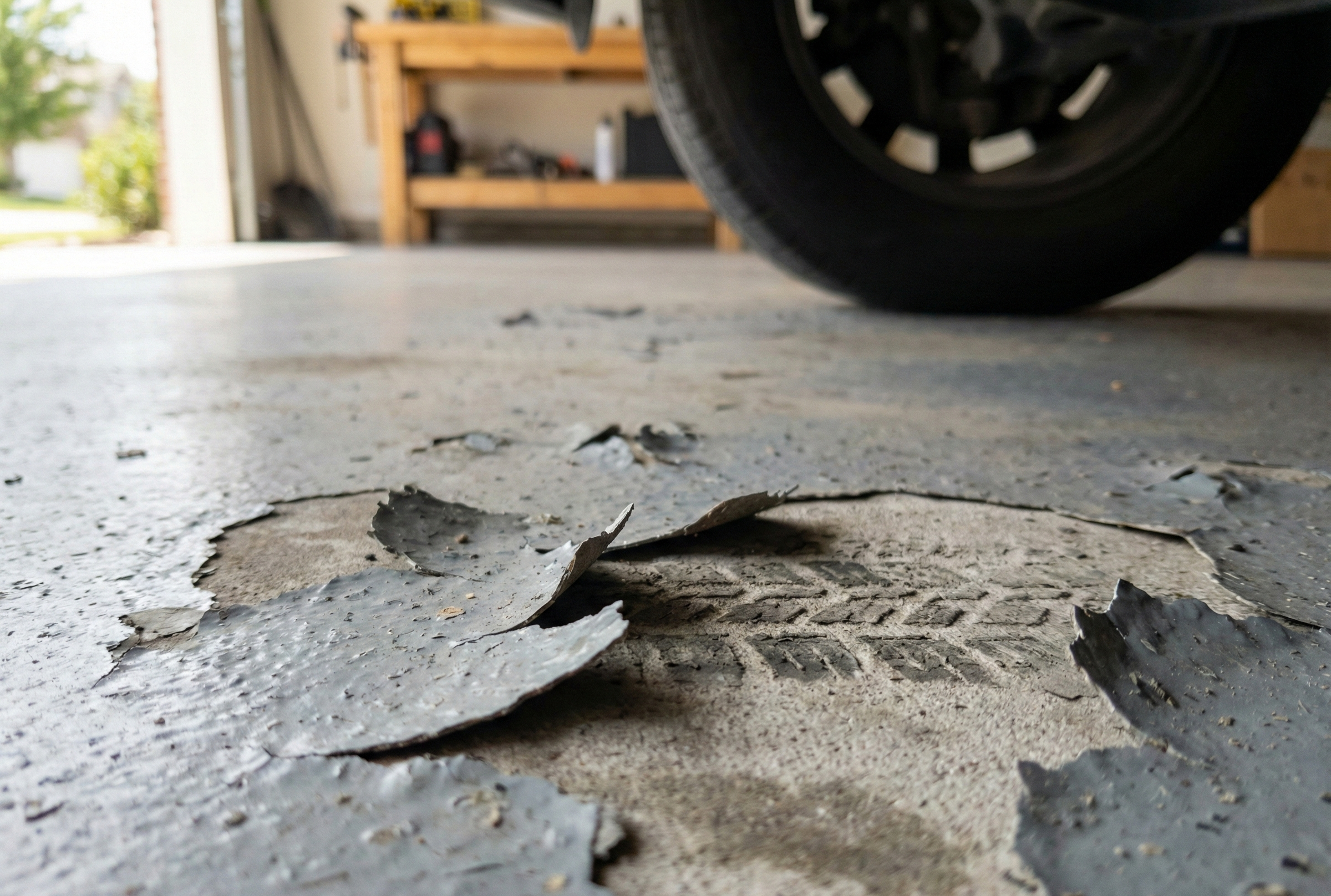
Prévenir l'adhérence et le décollement de pneus chauds
- 0 commentaire
- par Sam Marriott
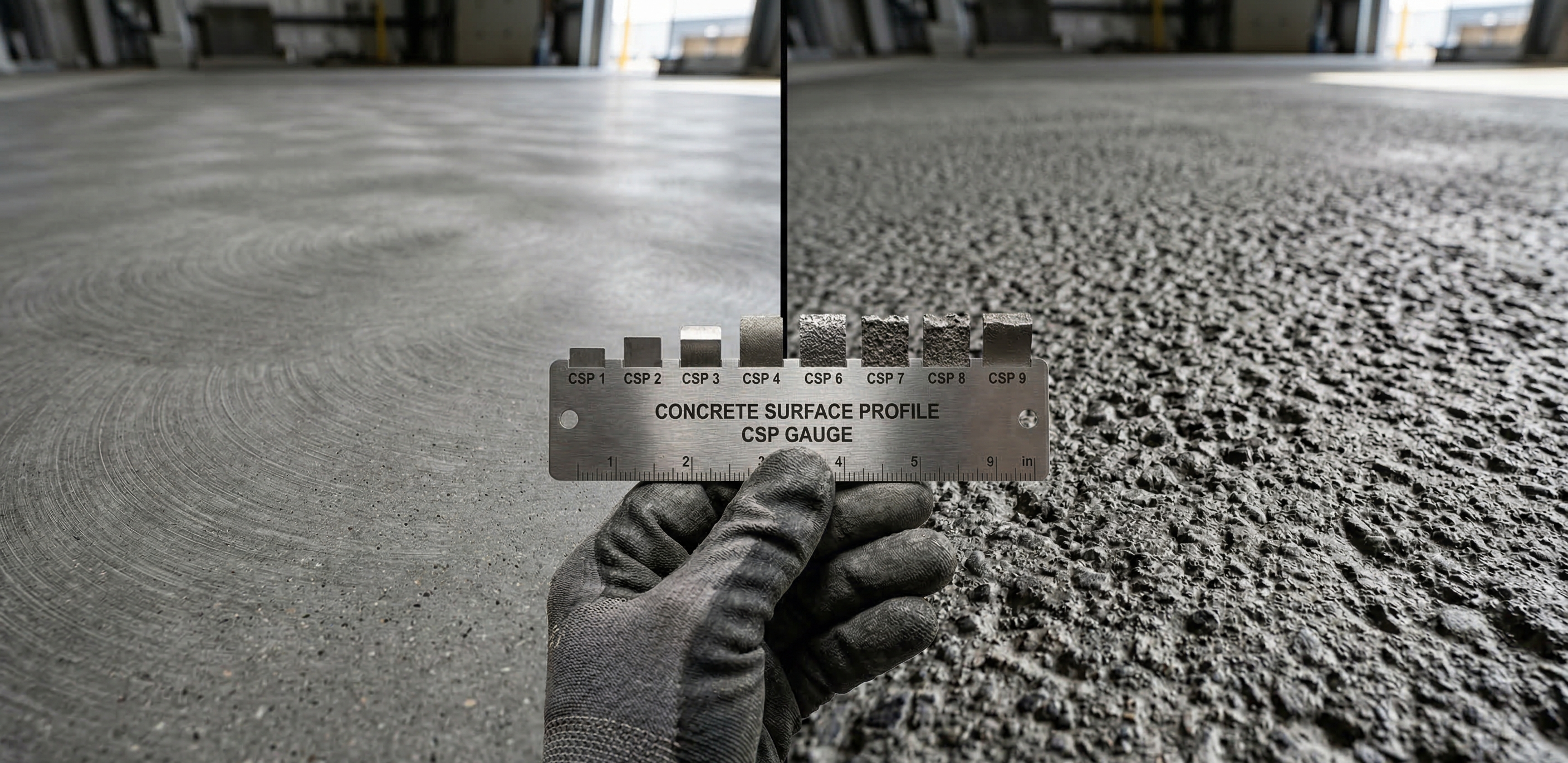
Ponçage diamanté ou grenaillage : Obtenir le bon profil de surface (CSP)
- 0 commentaire
- par Sam Marriott
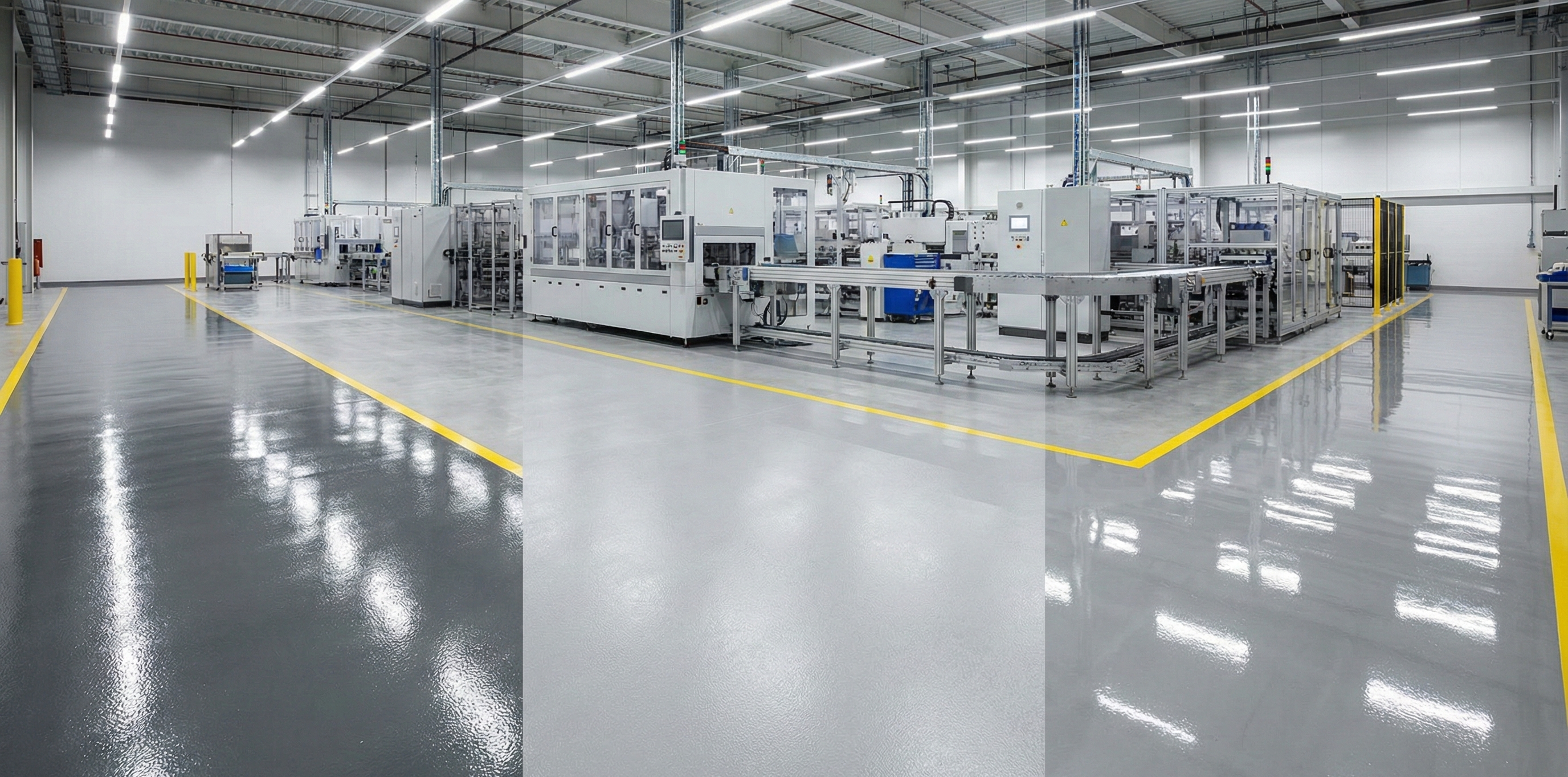
Systèmes de revêtements de sol industriels : Guide de spécification et de sélection
No guides found matching your search.
Try a different keyword.
Pour les entrepôts, les usines et les contrats à grande échelle
Préparation industrielle et intensive des sols
Guides techniques pour les entrepreneurs professionnels. Découvrez les protocoles corrects pour la gestion du béton lissé, des joints de dilatation structurels et de la préparation mécanique à grande échelle.
Guides de bricolage pour les propriétaires
Préparation des sols de garage et d'atelier
Des méthodes réalisables, étape par étape, pour obtenir des résultats professionnels à l'aide d'outils accessibles. Parfait pour les garages résidentiels, les ateliers à domicile et les petites unités commerciales.
Réparation des surfaces humides, grasses, poussiéreuses et molles
Dépannage des problèmes courants du béton
Ne peignez pas sur un problème. Identifiez et réparez les problèmes sous-jacents, tels que l'humidité ascensionnelle, les taches d'huile profondes ou le béton friable, avant d'appliquer votre revêtement.
Préparation des sols déjà peints
Préparation à la rénovation et au revernisage
Comment s'assurer qu'une nouvelle peinture adhère à une ancienne. Découvrez comment effectuer des tests de compatibilité, les bonnes techniques de ponçage et comment décider s'il faut appliquer une couche d'apprêt localisée ou tout décaper.
Aide rapide
Préparation des sols en béton FAQ
Préparation générale et calendrier
Utilisez cette section pour tout texte descriptif dont vous avez besoin pour remplir vos pages ou pour ajouter des titres d'introduction entre d'autres blocs.
Combien de temps dois-je attendre avant de peindre du béton neuf ?
Vous devez laisser le nouveau béton durcir complètement afin de libérer l'excès d'humidité. La norme de l'industrie est de 4 semaines par pouce d'épaisseur de béton. Pour une dalle standard de 4 pouces, cela signifie une attente d'environ 3 à 4 mois. Nous recommandons fortement de tester la teneur en humidité ; elle doit être inférieure à 75 % d'humidité relative (HR) avant d'appliquer tout revêtement de résine.
Dois-je vraiment utiliser une base ?
Oui. Le béton est comme une éponge : il est poreux. Si vous appliquez une couche de finition directement, le béton absorbera la résine, laissant la surface faible et susceptible de s'écailler. Un primaire dédié scelle le substrat, empêche les bulles d'air (phénomène de pock-marking) et crée une surface collante à laquelle votre couche de finition peut adhérer.
Méthodes (Meulage vs. Gravure)
Utilisez cette section pour tout texte descriptif dont vous avez besoin pour remplir vos pages ou pour ajouter des titres d'introduction entre d'autres blocs.
Puis-je utiliser un décapant acide sur du béton surfacé à la lisseuse mécanique ?
Non. Le béton lissé à la machine (finition lisse et brillante) est trop dense pour que l'acide puisse pénétrer efficacement. Vous devez utiliser une préparation mécanique (ponçage diamanté ou grenaillage) pour briser la « tension superficielle » et créer une accroche. L'utilisation d'acide sur un sol lissé à la machine est la première cause de défaillance des revêtements dans les environnements industriels.
L'attaque à l'acide est-elle aussi efficace que le ponçage au diamant ?
Pour les garages résidentiels à usage léger, la gravure à l'acide est une méthode de bricolage acceptable si le béton est ouvert et poreux. Cependant, le ponçage au diamant est supérieur à tous égards. Il élimine la laitance de surface faible, nivelle les bosses et garantit le profil mécanique parfait pour l'adhérence de la peinture.
Dépannage (humidité et huile)
Utilisez cette section pour tout texte descriptif dont vous avez besoin pour remplir vos pages ou pour ajouter des titres d'introduction entre d'autres blocs.
Puis-je peindre sur des taches d'huile si je les nettoie d'abord ?
Vous ne pouvez pas simplement enlever l'huile en la lavant ; vous devez l'extraire. L'huile pénètre profondément dans les capillaires du béton. Nous vous recommandons d'utiliser un dégraissant industriel à haute résistance et de frotter vigoureusement. Pour les taches profondes, plusieurs traitements peuvent être nécessaires. Si l'huile persiste, la peinture n'adhérera pas à cet endroit précis.
Comment savoir si mon sol est doté d'une membrane d'étanchéité à l'humidité (MEH) ?
Si votre sol a été construit avant les années 1980, il est probable qu'il n'ait pas de DPM (membrane d'étanchéité). Pour vérifier, scotchez un carré de film plastique transparent sur le sol et laissez-le pendant 24 heures. Si le béton sous le plastique semble foncé ou présente des gouttelettes d'eau, vous avez des remontées capillaires. Dans ce cas, vous devez utiliser un "Primaire anti-humidité de surface" avant de peindre.
Repeindre d'anciens planchers
Utilisez cette section pour tout texte descriptif dont vous avez besoin pour remplir vos pages ou pour ajouter des titres d'introduction entre d'autres blocs.
Puis-je peindre par-dessus une peinture de sol existante ?
Seulement si la peinture existante est saine (ne s'écaille pas) et compatible. Vous devriez effectuer un test de frottement au solvant : frottez l'ancienne peinture avec un chiffon imbibé de xylène. Si l'ancienne peinture ramollit ou se dissout, c'est une peinture mono-composant, et vous ne pouvez pas appliquer un époxy haute résistance par-dessus. Si elle reste dure, poncez-la simplement pour créer une adhérence, nettoyez-la et recouvrez-la.
Qu'est-ce que la « laitance » et pourquoi dois-je l'éliminer ?
La laitance est une couche fragile et laiteuse de poussière de ciment et d'eau qui remonte à la surface du béton en cours de durcissement. Elle semble solide, mais elle est très friable. Si vous peignez par-dessus, la peinture adhérera à la laitance, et la laitance se détachera du béton, provoquant le décollement de votre revêtement de sol par plaques. Elle doit être éliminée par ponçage ou décapage.

Le centre d'aide et technique
Nos revêtements sont non seulement performants, mais ils sont également accompagnés d'une documentation claire, de guides pratiques et d'un véritable support technique.
Le Centre d'aide et d'assistance technique regroupe des guides de préparation, des conseils d'application, des FAQ, des téléchargements de fiches de données de sécurité et de fiches techniques, ainsi que des recommandations de systèmes pour vous aider à choisir, appliquer et entretenir le bon revêtement en toute confiance.