System Overview
For concrete, block paving, natural stone and imprinted concrete surfaces, sealing systems must manage water ingress, staining and surface wear under regular foot and vehicle traffic. Driveway and patio sealers for concrete and block paving are specified to extend service life, improve appearance and reduce maintenance across domestic and light commercial hard landscaping.
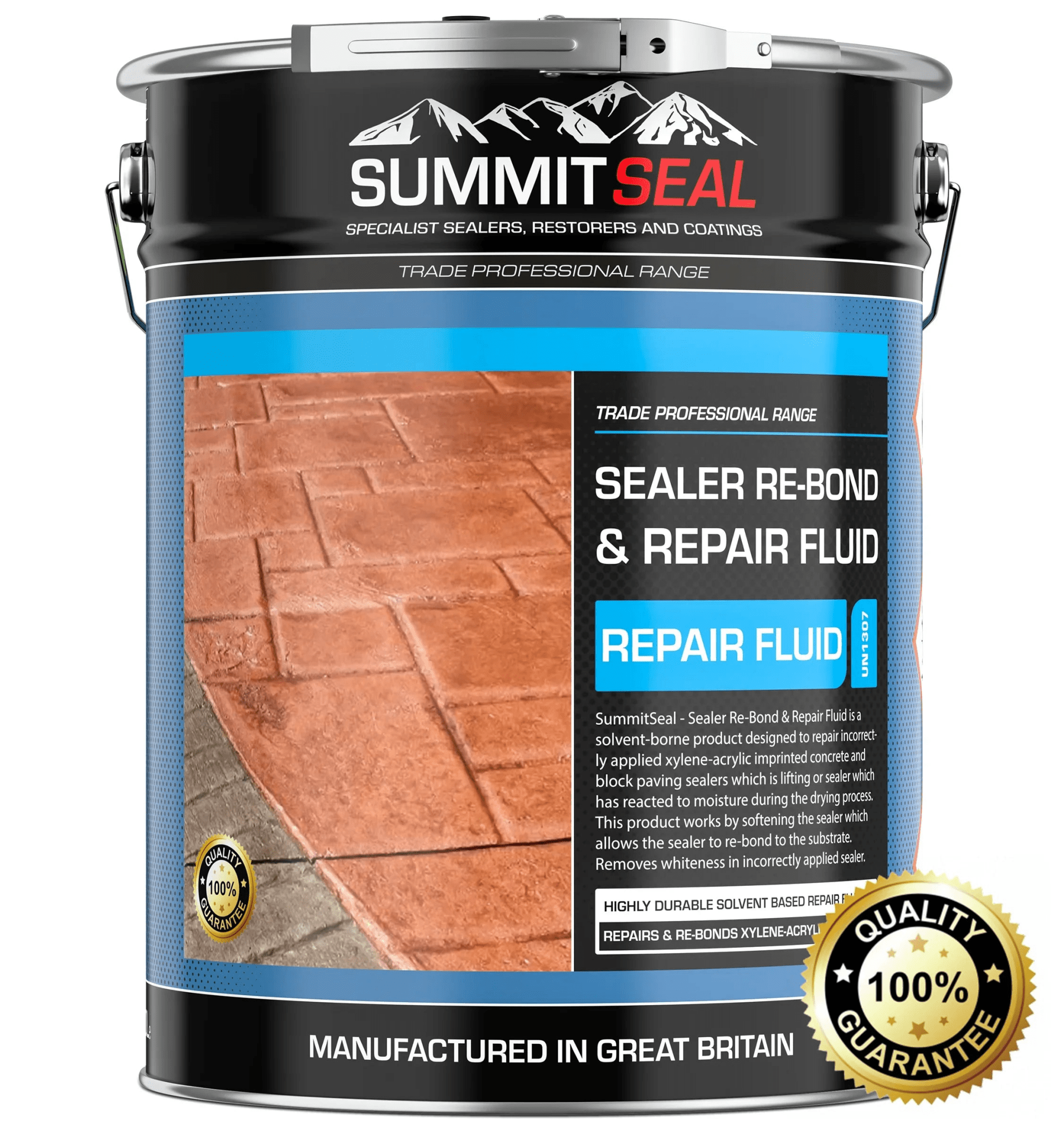
The EVEREST SummitSeal range within this gateway collection incorporates single pack polyurethane, water-based acrylic and solvent-based acrylic technologies. These systems provide both penetrating and film-forming protection options, allowing specification by substrate type, traffic intensity and desired finish.
Water-based acrylic sealers prioritise breathable protection and ease of application. Solvent-based acrylics enhance colour and surface depth, while single pack polyurethane systems provide increased abrasion resistance and tougher films for higher traffic areas.
Suitable Substrates & Surface Preparation
Concrete driveways and slabs must be structurally sound, fully cured and free from laitance, oil contamination and previous incompatible coatings. Mechanical cleaning or light abrasion may be required to ensure consistent penetration or film adhesion.
Block paving should be stable and correctly compacted before sealing. Joints must be clean and filled with dry, well-compacted sand where joint stabilisation is required. Some film-forming systems assist with joint binding, but they cannot compensate for poor installation or movement in the paving structure.
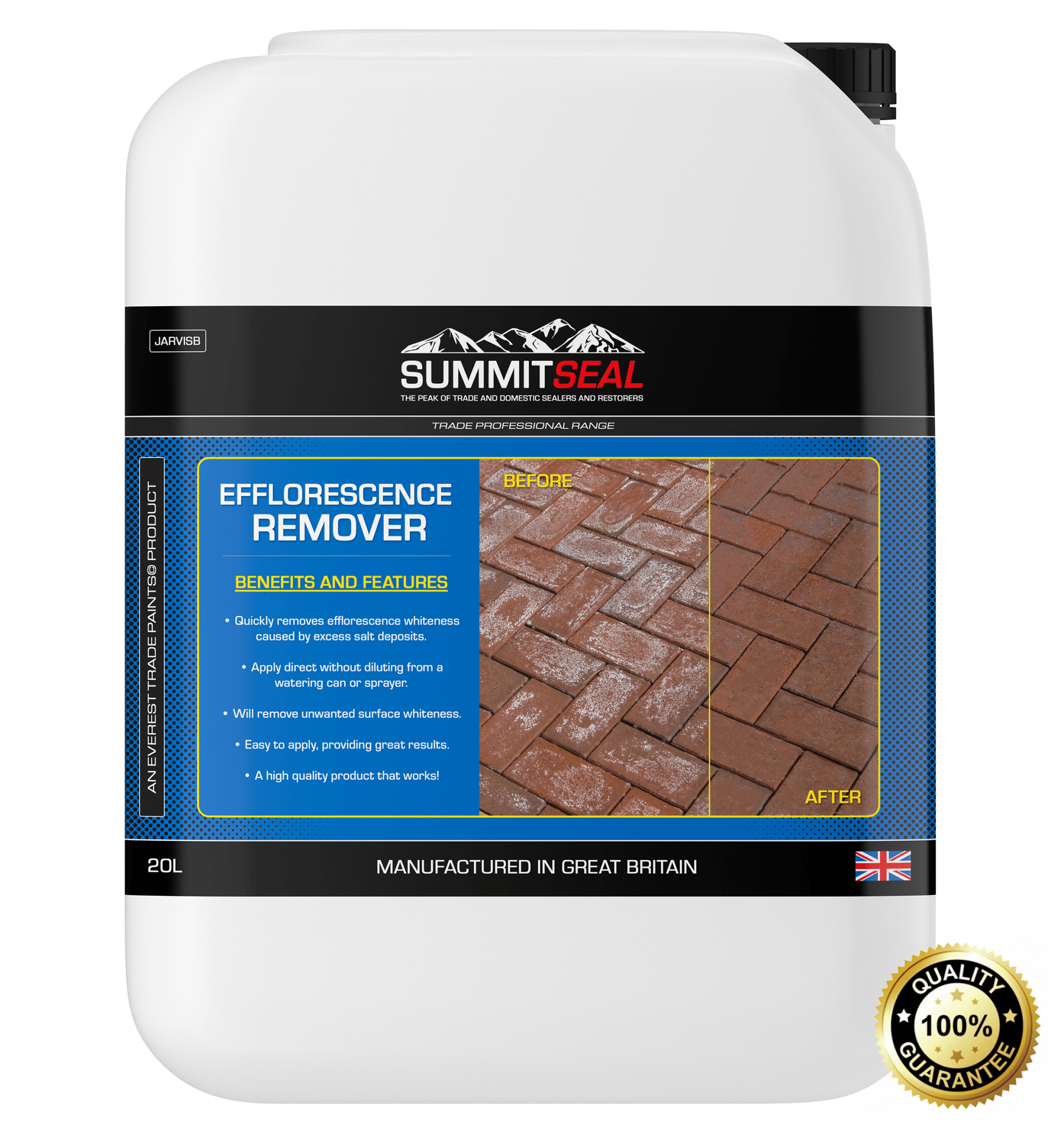
Natural stone and imprinted concrete require assessment of porosity and surface condition. Cleaning to remove algae, efflorescence and staining is essential. Trial areas are advisable where colour enhancement is a priority, as solvent-based systems can significantly deepen surface tone.
All substrates must be dry prior to sealing. Residual moisture can interfere with adhesion and may lead to whitening or reduced clarity in film-forming systems.
Performance Characteristics & Limitations
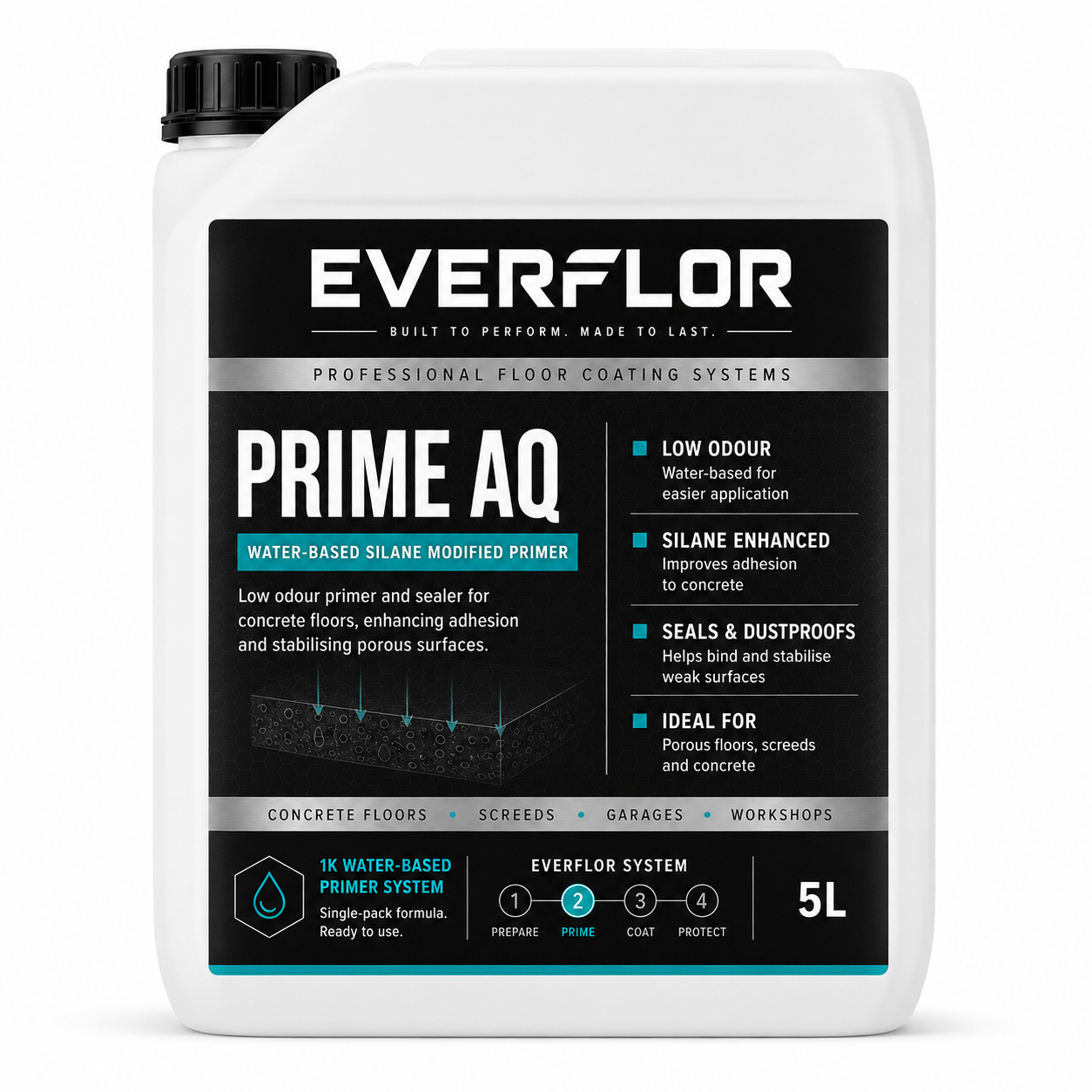
Silane modified or standard water-based acrylic sealers provide water repellency and breathable surface protection. They reduce surface dusting and staining while allowing vapour transmission from the substrate. Abrasion resistance is suitable for light to moderate vehicular and pedestrian traffic.
Solvent-based acrylic systems deliver stronger colour enhancement and improved surface binding, particularly on concrete and imprinted surfaces. They offer effective stain resistance but generally reduce vapour permeability compared with water-based options.
Single pack polyurethane sealers form tougher, more abrasion-resistant films suitable for higher traffic driveways and forecourts. These systems offer improved durability under repeated tyre contact and turning forces when applied at appropriate thickness.
Across all technologies, these sealers are not intended for heavy industrial trafficking, severe chemical exposure or unstable substrates. Performance is dependent on correct preparation, moisture control and adherence to recommended coverage rates.
Solvent-based products require appropriate ventilation and controlled application conditions.
Internal vs External Considerations
Externally, these sealers must withstand UV exposure, rainfall and freeze–thaw cycling. Acrylic and polyurethane systems in this collection are formulated for UV stability to maintain clarity and colour enhancement over time.
Internally, such as in garages or covered courtyards, breathable water-based systems are often preferred where moisture vapour transmission and lower odour are important considerations.
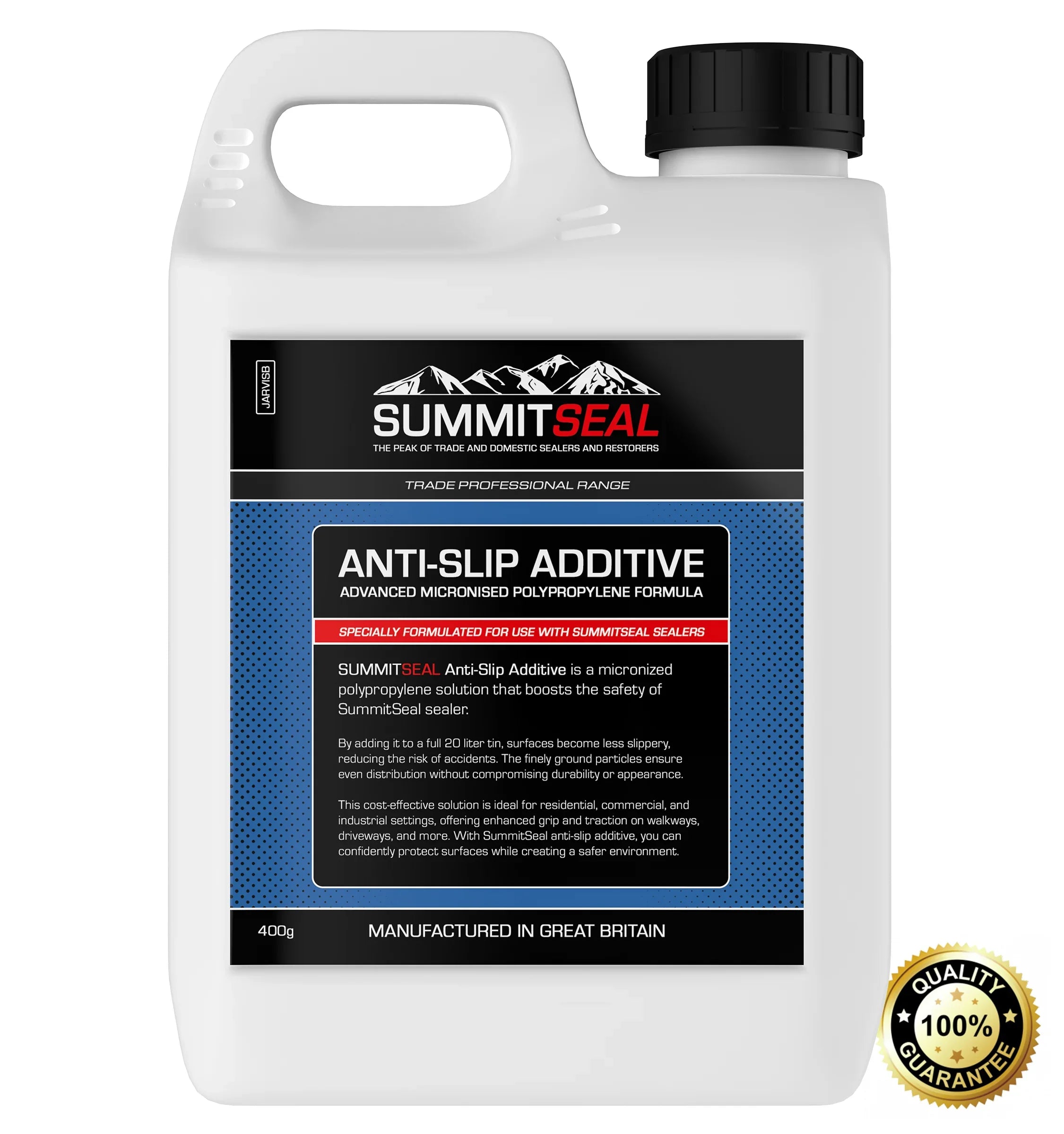
Slip resistance should be evaluated in both settings. High-gloss film builds may increase slip potential when wet, particularly on smooth concrete or stone surfaces. Anti-slip additives can be incorporated where required.
Selection Guidance & When to Specify Alternatives
Driveway and patio sealers in this collection are suited to domestic hard landscaping and light commercial external areas requiring protection against water ingress, staining and abrasion.
For light duty patios and pathways, water-based acrylic systems provide balanced protection and breathability. Where enhanced colour depth is desired, solvent-based acrylics may be appropriate.
In higher traffic environments or where extended abrasion resistance is required, upgrading to single pack polyurethane systems is recommended.
If the surface is subject to heavy industrial loading, aggressive chemicals or structural movement, a more robust specialist coating system beyond standard sealer technologies should be specified.
System selection should reflect substrate type, traffic level, exposure severity and maintenance expectations.