System Overview
For concrete, wood, cladding, metal, and previously painted surfaces found on garages and outbuildings, protective coating systems provide weather resistance, surface sealing, and decorative refurbishment for secondary structures. These buildings typically incorporate multiple substrates within a single structure, requiring coating systems capable of adhering to a range of materials while providing consistent protection.
Garages, sheds, workshops, and utility buildings are frequently exposed to fluctuating environmental conditions, intermittent maintenance cycles, and general wear from storage or light work activities. Paint systems used in these environments must offer dependable adhesion to mixed surfaces while providing basic durability and weather resistance.
EVEREST coatings suitable for garages and outbuildings generally utilise acrylic or oil-based technologies designed for general maintenance and refurbishment work. These systems provide a practical balance between ease of application, substrate compatibility, and protective performance for light to medium duty environments. They are commonly specified when refreshing older structures or protecting newly installed surfaces where specialist industrial coatings are not required.
Because these buildings often combine masonry, timber, and metal elements, correct substrate preparation and compatible primers remain essential for reliable coating performance.
Suitable Substrates & Surface Preparation
Garages and outbuildings commonly incorporate several different construction materials, each of which presents distinct preparation requirements.
Concrete and masonry surfaces such as blockwork or rendered walls may require cleaning and light abrasion to remove dust, surface contamination, or weathered material. Highly porous or chalking substrates may benefit from the use of stabilising primers before applying finishing coats.
Timber elements including doors, frames, and external cladding should be clean, dry, and free from loose coatings prior to painting. Weathered wood may require sanding or preparation to remove degraded fibres and ensure the coating bonds effectively.
Metal components such as steel doors, frames, and structural elements require particular attention where corrosion or previous coatings are present. Loose rust or failing paint should be removed and suitable metal primers applied where necessary to ensure adequate adhesion and corrosion protection.
Previously painted surfaces across any of these substrates should be inspected for adhesion before recoating. Sound coatings can usually be overcoated following cleaning and light abrasion, while failing coatings should be removed to expose a stable substrate.
Performance Characteristics & Limitations
Paint systems designed for garages and outbuildings primarily provide surface protection and visual improvement rather than heavy-duty industrial performance. Their main functions include protecting building materials from weather exposure, reducing moisture ingress, and extending maintenance intervals.
Acrylic coatings offer good exterior durability and flexibility, making them suitable for timber cladding, masonry surfaces, and mixed exterior structures exposed to weather. Their breathability can also assist in managing minor moisture movement within porous substrates.
Oil-based coatings can provide robust film formation and strong adhesion on certain surfaces, particularly metal components and previously painted substrates where slower curing systems are acceptable.
While these coatings improve the longevity of building materials and provide a clean, uniform appearance, they are not intended for severe service environments. Structures exposed to aggressive industrial atmospheres, heavy mechanical wear, or chemical exposure may require specialist protective coatings.
Similarly, these coatings are not designed to function as heavy-duty floor finishes in garages or workshops where vehicle traffic or equipment movement occurs.
Internal vs External Considerations
Outbuildings and garages often contain both interior and exterior surfaces requiring protection. External elements such as cladding, doors, and structural panels must resist weather exposure including rainfall, temperature changes, and UV exposure.
Acrylic coatings are frequently preferred for these applications due to their flexibility and resistance to exterior weathering. They provide a durable maintenance coating for structures that may only be repainted periodically.
Internal surfaces within garages and workshops are typically exposed to lower levels of weathering but may experience physical wear, occasional moisture, and contamination from stored equipment or tools. In these environments, coatings primarily serve a protective and decorative role.
Where structures are partly enclosed or exposed to intermittent moisture, appropriate preparation and compatible primers remain important to prevent premature coating failure.
Selection Guidance & When to Specify Alternatives
Paint systems for garages and outbuildings are generally specified for maintenance and refurbishment of mixed-substrate secondary buildings. They are well suited to domestic garages, garden structures, storage buildings, and light agricultural outbuildings where moderate protection and visual improvement are required.
These coatings perform best when used on surfaces that are structurally sound and correctly prepared. Their versatility allows them to be used across a range of building elements, simplifying maintenance for structures that combine timber, metal, masonry, and previously coated surfaces.
However, where specific surfaces require higher performance coatings, specialist systems may be more appropriate. Masonry walls exposed to severe weather may benefit from dedicated exterior masonry coatings, while steel components exposed to corrosion risk may require anti-corrosion metal primers and protective topcoats.
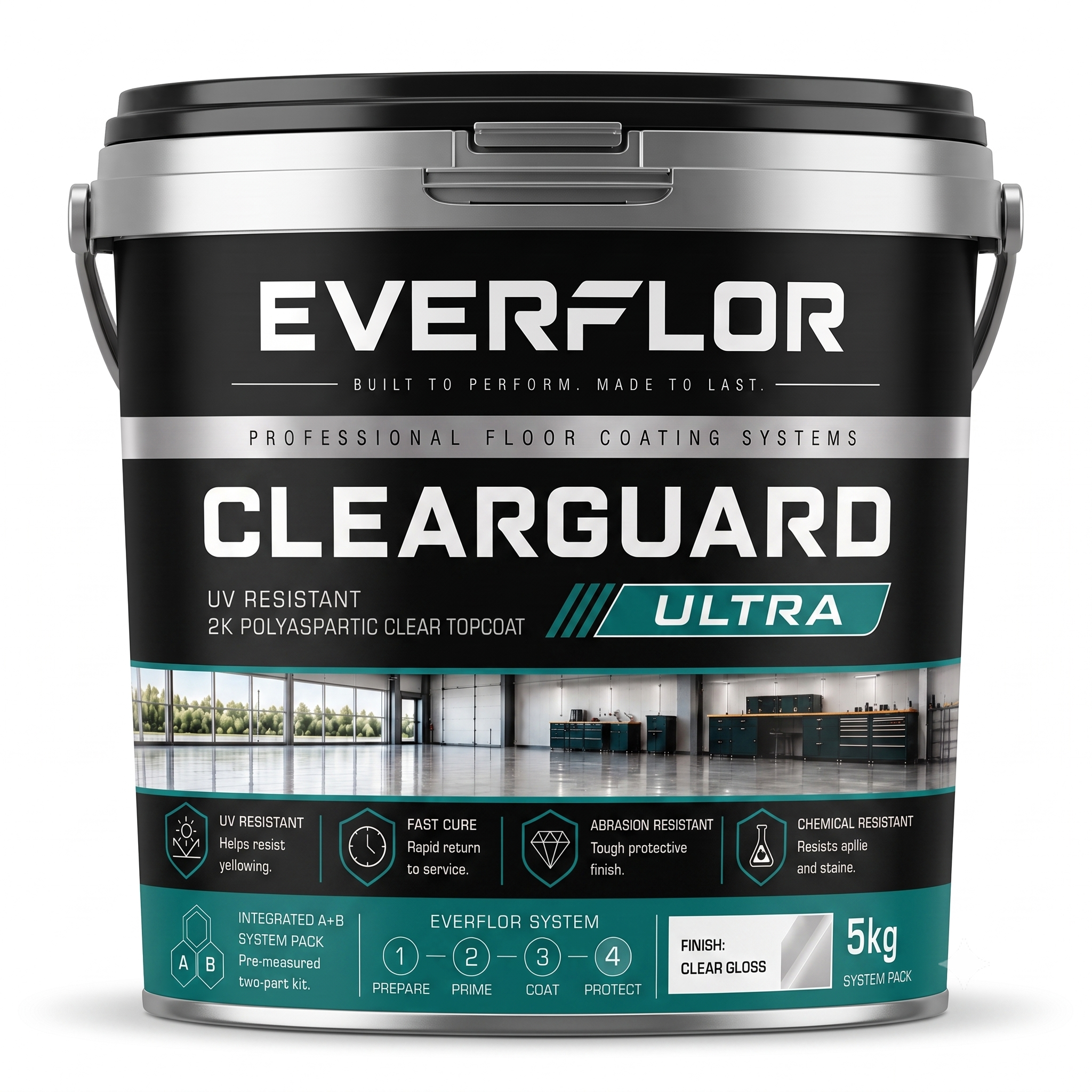
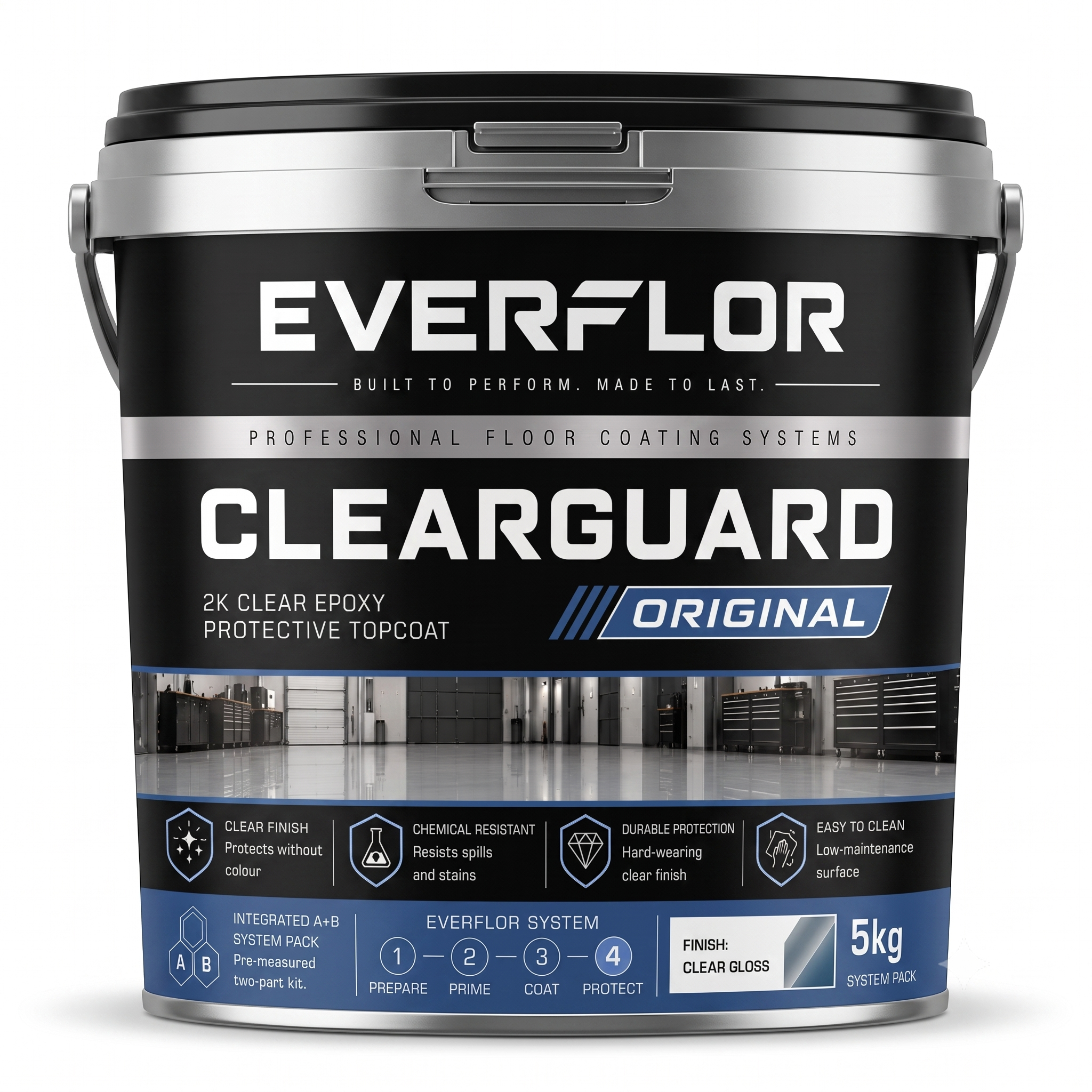
Floors within garages or workshops that experience vehicle traffic should be coated using purpose-designed floor coating systems rather than general building paints.
Assessing the individual substrates within the structure and selecting the appropriate coating system for each surface will ensure the most reliable long-term protection.